Flock Irony

Flock worker calls police on InvestigateTV reporter filming public camera installation

The irony is the whole story, and the details make it sharper.

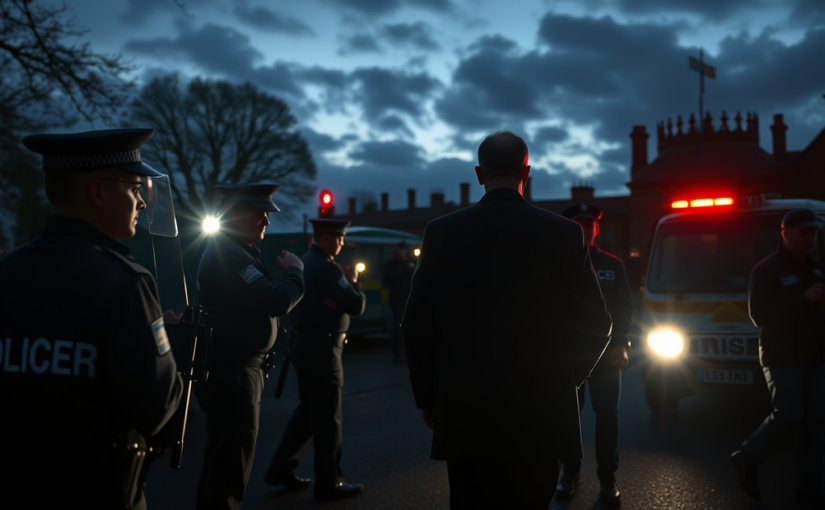
On August 19, 2026, Atlanta News First / InvestigateTV chief investigator Brendan Keefe got a tip from a family member that a Flock Safety technician was upgrading a license-plate reader on a public street about a mile from Keefe’s home in suburban Atlanta. He parked at a distance on the public road, put on a yellow safety vest and a station-logo hat, put a press placard on the dash, and started filming. He did not approach the worker or speak to him.

The installer saw the camera, packed up immediately, and left. Keefe followed several cars back—not bumper-to-bumper—hoping to document the next public install. The technician called 911. Forsyth County answered first and transferred the call. On the recording, the worker said he worked for Flock Safety, that he was “getting followed,” and that he was being “harassed, pretty much. Taking videos and pictures.” He described Keefe’s car and later Keefe himself, including the vest and hat. He also said he didn’t want his full name on the 911 recording.

Minutes later, after Keefe entered Milton, Georgia, one officer pulled him over. Two more units arrived. The stop lasted about 17 minutes. Keefe identified himself as press documenting camera installations. Bodycam shows the officer telling a supervisor that Keefe was behind the van but “not like right on his bumper,” was not chasing him, and did not appear to be stalking or breaking any law. The officer also relayed the installer’s concern: he was “just an employee,” didn’t want to be identified on TV, and worried about targeting of him or his family.

Keefe put the contradiction on the record: the company is installing cameras that track everyone’s movements in public, but the installer objected to being filmed in public. The officer said she was only passing along the worker’s concern, then added that media should “probably be a little more careful on who we put on TV.” No citation, no charge. Keefe was released.

Flock’s statement afterward: the company “does not object to members of the public or press photographing Flock cameras or personnel in public.” Field employees and contractors “are expected to prioritize their safety and may contact law enforcement when they believe they are being threatened, harassed, followed, or otherwise face a safety concern.”

That was not the only 911 call. In June 2026, a Flock employee at the company’s Smyrna, Georgia, distribution center called police on YouTube creators filming from public areas outside the facility. The caller identified the company as the one whose cameras “solve 20% of crime across America,” asked for “a favor,” and repeatedly raised the possibility the filmmakers might be armed even after saying he had not seen weapons. Police issued a trespass warning. No charges. One of the people there, security researcher Benn Jordan, later called it “absurd” that a company built on collecting everyone’s plate data would have staff scrubbing their own personal information.

The larger backdrop is the fight InvestigateTV and others have been documenting since early 2026: Flock’s network of roughly 120,000 ALPRs, reports of unauthorized or sloppy searches, cities canceling contracts, and the company arguing that a license plate is “plain-view information” you cannot opt out of unless you “opt out of society.” The installer who called 911 was doing the same thing the cameras do to everyone else—recording a person in a public place—and then treating being recorded as an emergency. That is the rest of the story.
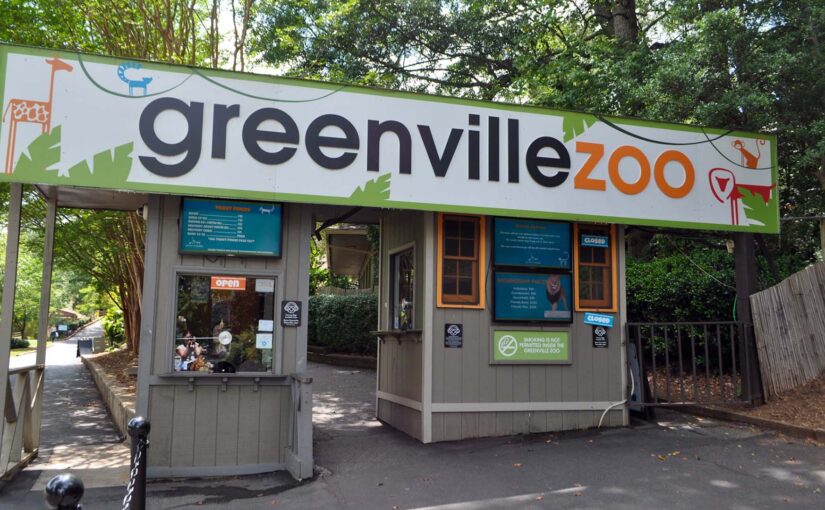

Leopard Escapes Zoo

I did not have a leopard escaping from the Greenville Zoo on my bingo card for 2026!

Greenville Zoo’s leopard tranquilized, returned after escaping exhibit

Pinball Wizards

South Carolina has finally legalized pinball for minors after decades of outdated restrictions.

Originally invented during the Great Depression as a game of chance (without flippers), early pinball machines led many places to ban it for kids due to its gambling-like nature. Flippers in the late 1940s turned it into a game of skill, and by the late 1970s, nearly every state had lifted bans on minors playing—except South Carolina.

A new law signed by the governor last month removes pinball from the list of “status offenses” banned for those under 18. Efforts to change this had been ongoing since 2015 (a full decade). Though the ban was rarely enforced and kids played anyway, it created legal risks for business owners (especially bars worried about liquor licenses).

Borders Matter

Note to current Pope Leo: The walls around the Vatican were ordered by Pope Leo IV and completed around 852 AD, following devastating raids by Muslim Arab Raiders who sacked St. Peter’s Basilica.
So please don’t lecture us on walls, Immigration, war, or the virtues of Islam.

Chuck Norris loses a fight

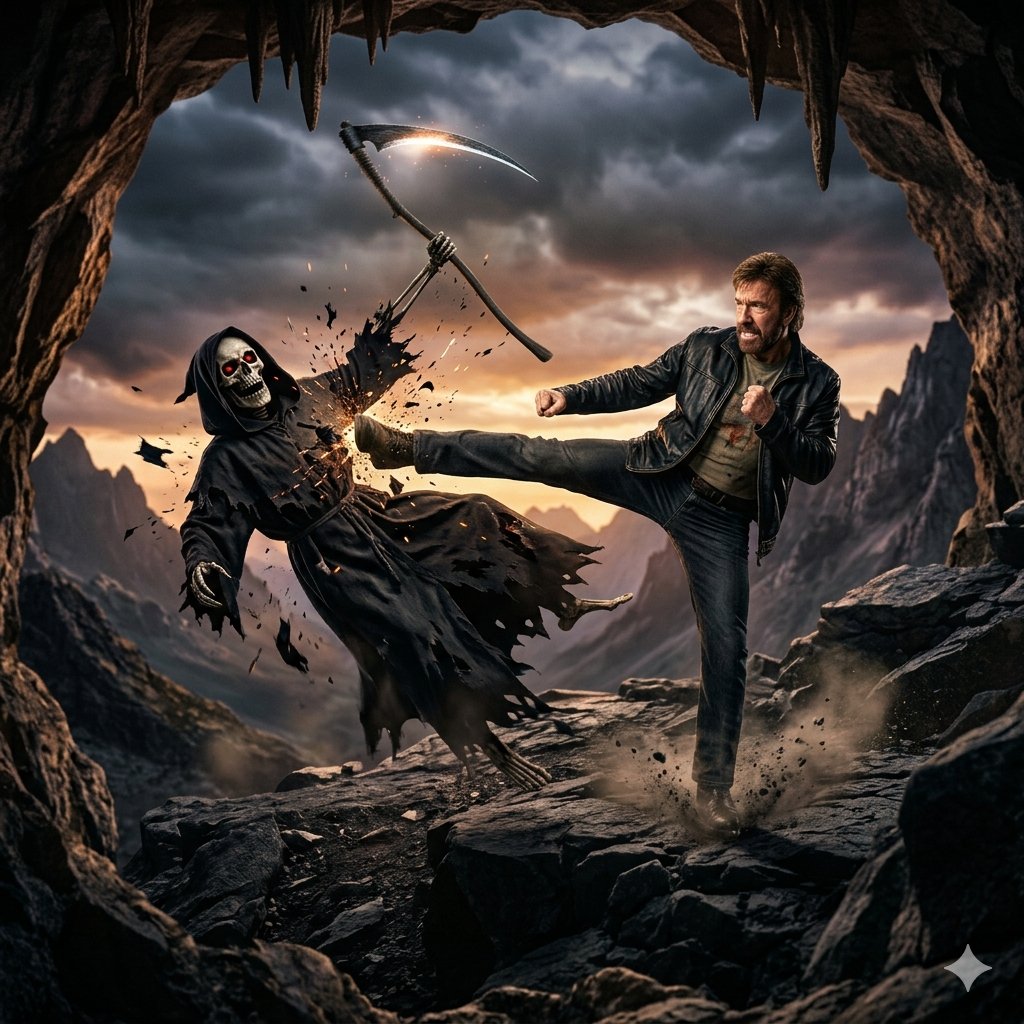
BREAKING: Chuck Norris has finally lost a fight. The actor and martial artist, known for his role as Walker, Texas Ranger, has died after a sudden hospitalisation. The Hollywood star was 86 years old. Full story

Former Prince Andrew Arrested

U.K. police arrested Andrew Mountbatten-Windsor on suspicion of misconduct in public office

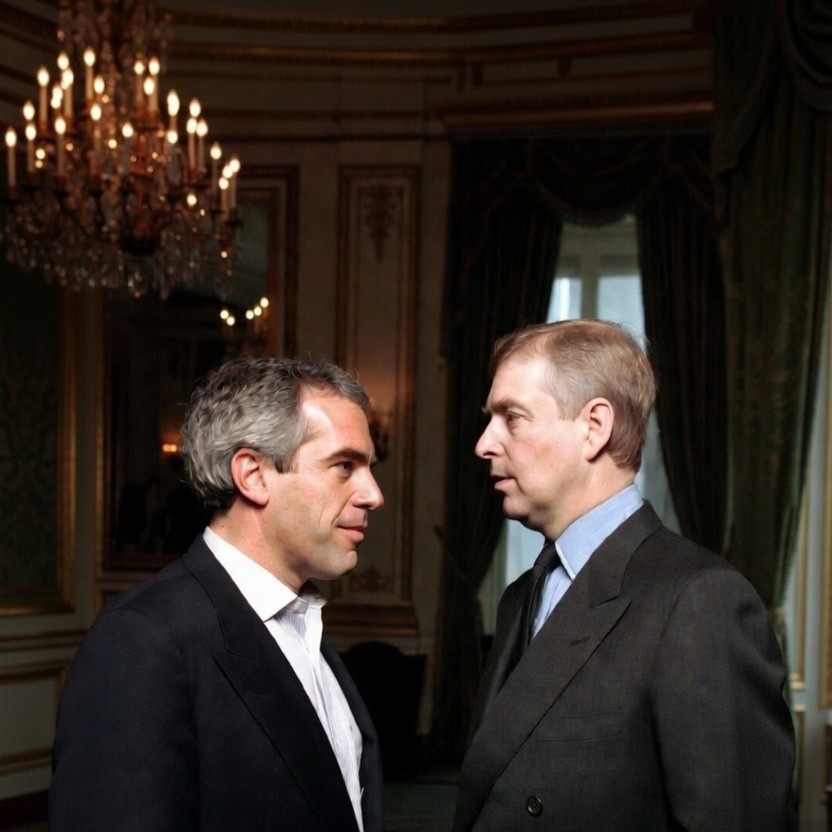
In a stunning development that has sent shockwaves through the British royal family and beyond, Andrew Mountbatten-Windsor—formerly known as Prince Andrew—was arrested on Thursday, February 19, 2026, on suspicion of misconduct in public office. The arrest, which occurred on his 66th birthday at the Sandringham Estate in Norfolk, marks an unprecedented moment: the first time in modern history that a senior member of the royal family has faced such criminal scrutiny.

The charges stem directly from the latest tranche of documents released by the U.S. Department of Justice in connection with Jeffrey Epstein, the convicted sex offender with whom Andrew maintained a long-standing friendship. Newly uncovered emails and materials suggest that during his tenure as the UK’s special trade envoy from 2001 to 2011, Andrew may have shared confidential government reports—including official briefings from overseas visits—with Epstein, who held no security clearance or official role. Thames Valley Police, after initially assessing the claims, confirmed the arrest and reported conducting searches at addresses in Berkshire and Norfolk. Andrew remains in custody as the investigation continues.

This latest fallout builds on years of controversy surrounding Andrew’s ties to Epstein and Ghislaine Maxwell. He has consistently denied any wrongdoing, including allegations of sexual misconduct raised in earlier civil proceedings, which he settled out of court without admitting liability. Over time, these associations led to the loss of his military titles, public funding, and royal patronages under Queen Elizabeth II, and more recently, King Charles III stripped him of remaining honors, including aspects of his princely status, forcing him to relocate from royal residences.

King Charles III responded with a measured statement expressing deep concern and affirming that “the law must take its course,” while pledging the family’s full cooperation with authorities. The offense of misconduct in public office, rooted in common law, carries a potential maximum sentence of life imprisonment and centers on the abuse of public trust through willful misconduct.

As the investigation unfolds, this historic arrest underscores the enduring repercussions of the Epstein scandal and raises profound questions about accountability, even at the highest levels of society. The royal family, already navigating a period of transition, now faces one of its most challenging chapters yet.

The Epstein Web

Power, Blackmail, and the Shadows of Influence

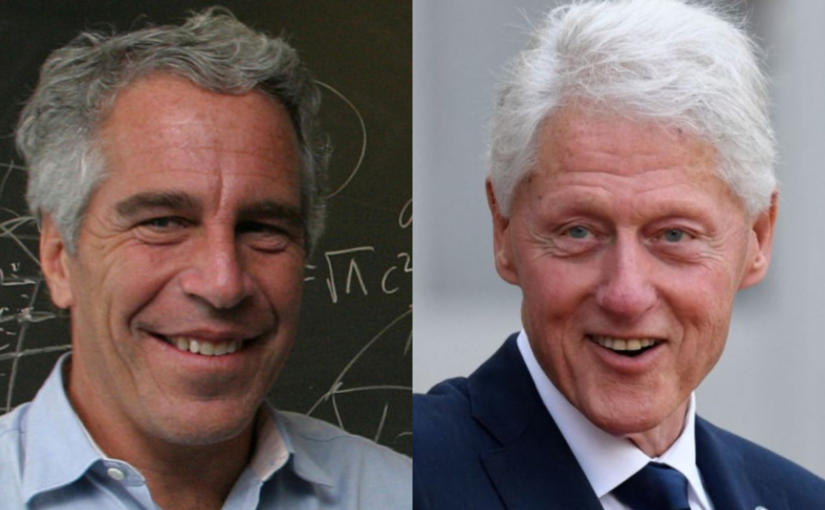
The Jeffrey Epstein scandal has long captivated the public imagination, fueling theories that extend far beyond the convicted sex trafficker’s own crimes. At its core, the assertion that “everybody is involved” resonates with many: anyone wielding significant power in government seemed either ensnared by Epstein’s blackmail schemes or complicit in a sprawling cover-up. Ghislaine Maxwell, Epstein’s closest confidante and convicted accomplice, stands out as a key figure, but the spotlight often falls on high-profile enablers like the Clintons, whose associations with Epstein raise persistent questions about influence, access, and accountability.

Jeffrey Epstein, a financier who rose from humble beginnings to mingle with the elite, built a network that included politicians, celebrities, and business moguls. His private island, Little St. James—dubbed “Pedophile Island” by critics—allegedly served as a hub for illicit activities, where underage girls were trafficked and abused. Epstein’s 2008 plea deal in Florida, which saw him serve just 13 months with work-release privileges, is often cited as evidence of a rigged system protecting the powerful. His 2019 arrest on federal sex-trafficking charges promised a reckoning, but his death in custody—ruled a suicide—only amplified suspicions of foul play and institutional cover-ups.

Ghislaine Maxwell, Epstein’s partner in crime, was convicted in 2021 for her role in recruiting and grooming victims, receiving a 20-year sentence. Court documents reveal her as the operational force behind much of the operation, procuring girls as young as 14 for Epstein and his associates. Maxwell’s connections extended Epstein’s reach; she introduced him to elite circles, including royalty like Prince Andrew, who settled a civil suit with accuser Virginia Giuffre without admitting guilt. Yet, Maxwell herself denied deeper involvement in some claims, asserting in 2025 that Bill Clinton was her friend, not Epstein’s, and insisting he had no part in the crimes.

The Clintons’ ties to Epstein are among the most scrutinized. Flight logs show Bill Clinton traveled on Epstein’s private jet, dubbed the “Lolita Express,” at least 26 times between 2001 and 2003, sometimes without a Secret Service detail. Epstein donated to the Clinton Foundation, and the pair met multiple times, including at the White House in the 1990s. Accusers like Giuffre claimed to have seen Clinton on Epstein’s island, though no evidence of wrongdoing has emerged. Clinton’s spokesperson has repeatedly denied any knowledge of Epstein’s crimes, emphasizing that their interactions were philanthropic. Hillary Clinton’s involvement is less direct, but the couple’s refusal to testify before a House committee in early 2026—leading to a contempt vote before they relented—fueled speculation of a cover-up.

This narrative extends to broader government complicity. Unsealed documents from Giuffre’s lawsuit against Maxwell name numerous figures: former presidents Donald Trump and Bill Clinton, magician David Copperfield, and former Israeli Prime Minister Ehud Barak, among others. Trump, who once called Epstein a “terrific guy,” banned him from Mar-a-Lago after allegations surfaced, and no charges link him to the crimes. Civil suits allege Epstein arranged encounters for “prominent American politicians” and world leaders, suggesting a blackmail operation to wield influence. The 2008 deal, orchestrated by then-U.S. Attorney Alex Acosta (later Trump’s Labor Secretary), is seen by critics as a sweetheart arrangement that shields elites.

Conspiracy theories thrive here, positing that Epstein’s death silenced revelations about a pedophile ring among the powerful. Yet, facts remain murky: no major political figure has been charged with participating in the abuse. The 2024 unsealing of thousands of documents revealed associations but little new evidence of criminality beyond Epstein and Maxwell. Recent calls during Trump’s second term for full transparency have highlighted bipartisan entanglements, with names like Elon Musk and Sergey Brin also surfacing in the files.

In the end, the Epstein saga underscores a troubling reality: wealth and power can obscure justice. Whether through blackmail, enabling, or willful ignorance, the involvement of so many raises questions about accountability in high places. As investigations continue, the public demands answers—not just names, but truth.

Potts Dogs Rebranding

Just saw the news that the Potts Dogs in Nazareth is rebranding and overhauling the menu after 50 years. 🌭

I never made it to that specific location—I was a regular at the Bethlehem shop back in my college days—but seeing a local classic change this much is still tough to watch. Apparently, they are adding a “tropical flair” to the new menu.

I’m sorry, but I just can’t get behind that. Pineapple does not belong on a hot dog. 🍍 Some things are sacred! Just give me the classic chili sauce any day.

Back Online

Breaking Down Yesterday’s Massive Verizon Outage

If you found yourself staring at a dreaded “SOS” icon on your phone or frantically toggling airplane mode yesterday, you certainly weren’t alone. Wednesday, January 14, 2026, turned into a digital blackout for millions of Americans as Verizon suffered one of its most significant network disruptions in recent memory. Now that the dust has settled and the signal bars have returned, here is a look at exactly what happened, why it happened, and what the carrier is doing to make it right.

The Timeline of the Blackout

The trouble began right around lunchtime, specifically 12:30 PM ET. Reports immediately flooded in from across the country, with the outage hitting major population centers on the Eastern Seaboard and the Midwest particularly hard. At the height of the disruption, outage tracking sites logged over 1.5 million complaints. For roughly 10 hours, subscribers were cut off from data and voice services, leaving devices stuck in “SOS mode”—meaning they could function only to call 911 via other available carrier networks.

The Culprit: Glitch, Not Attack

Naturally, when a network of this magnitude goes dark, fears of foul play or security breaches arise. However, Verizon has explicitly stated that there was no indication of a cyberattack. The company identified the root cause as a widespread software issue within their network systems. Ultimately, it was an internal technical failure rather than an external threat that brought the network to a standstill.

Resolution and Getting Back Online

Engineering teams worked throughout the afternoon and evening to patch the software fault. Verizon officially declared the issue resolved at 10:15 PM ET last night. By late evening, the vast majority of devices had reconnected. For anyone still experiencing lingering connectivity issues today, the carrier advises a simple restart of your device. Powering your phone off and back on should force it to re-establish a fresh connection with the nearest cell towers.

Compensation for the Trouble

In response to the frustration caused by the day-long silence, Verizon has announced it is offering a $20 account credit to affected customers. The company noted that this amount is intended to cover multiple days of service. While consumer accounts are being handled largely through this flat credit, Verizon has stated that business customers will be contacted directly regarding compensation for their specific accounts.

It was a frustrating Wednesday for millions, but operations have returned to normal. Hopefully, the $20 credit will help smooth over the inconvenience of a day spent offline.


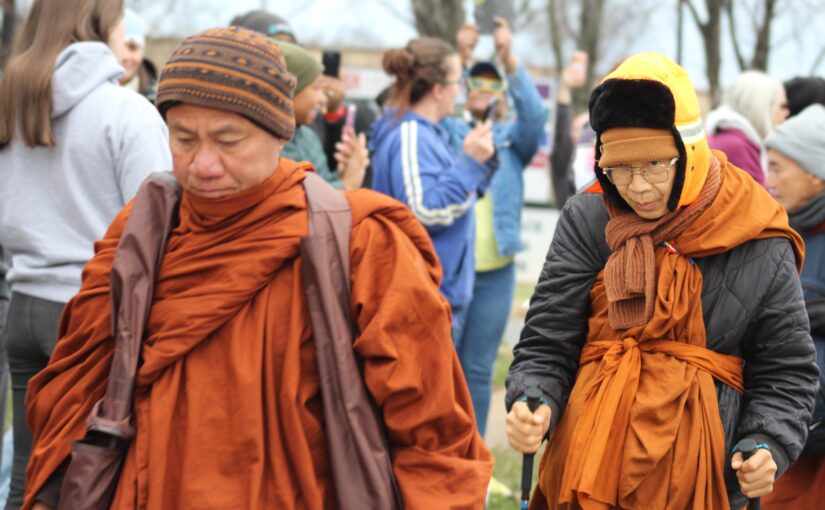
Saffron Robes on a Rainy Road

‘Walk for Peace’ Pilgrimage Passes Through Rock Hill

ROCK HILL, S.C. — On a gray, sodden Wednesday morning, a striking splash of deep orange moved steadily along the wet asphalt of York County. It was a sight that caused many local drivers to do a double-take: Buddhist monks, serene and focused, walking the shoulder of the highway amid the January chill.

These monks are part of a dedicated group currently undertaking a massive “Walk for Peace,” a cross-country pilgrimage aimed at spreading a message of unity, compassion, and non-violence.

The group’s journey today took them through Rock Hill on their way north toward Fort Mill and Charlotte. The monks, clad in traditional saffron and maroon robes, navigated the slick roads in simple sandals, a testament to the arduous nature of their undertaking.

This trek is no small feat. The group is in the middle of a roughly 2,300-mile journey that began in Fort Worth, Texas. Their ultimate destination is Washington, D.C., where they hope to arrive by mid-February to deliver their message of peace to the nation’s capital.

Their presence in Rock Hill highlighted the very sort of unity they seek to promote. On Tuesday night, the walkers found shelter and hospitality at the Catawba Baptist Church in Rock Hill before setting out again on Wednesday morning.

While the visual of the monks walking is powerful, they are supported by a team in a vehicle following closely behind. The support vehicle currently houses their unofficial mascot, a rescue dog from India named “Aloka”—often referred to as the “Peace Dog”—who is currently resting up after recent surgery.

Local residents who spotted the walkers today witnessed a quiet, moving demonstration of faith in action. As the rain continued to fall, the monks marched northward, one step at a time, toward Washington.