WiFi Soup

The Doctor: This whole world is swimming in Wi-Fi. We’re living in a Wi-Fi soup! Suppose something got inside it. Suppose there was something living in the Wi-Fi, harvesting human minds, extracting them. Imagine that. Human souls trapped like flies in the World Wide Web, stuck for ever, crying out for help.

Clara Oswin: Isn’t that basically Twitter?

“The Bells of Saint John” was the premiere of the second half of Series 7 (2013). It features the Eleventh Doctor (played by Matt Smith) and the modern-day version of Clara Oswald (played by Jenna Coleman).

The dialogue highlights the Doctor’s typical manic energy and Clara’s sharp, sarcastic wit.

In the episode, they face off against the Great Intelligence, which is using a sinister Wi-Fi signal to “upload” human consciousness into a data cloud.

Clara’s quip about Twitter being a trap for human souls still rings pretty true today!
I’m Just A Bill

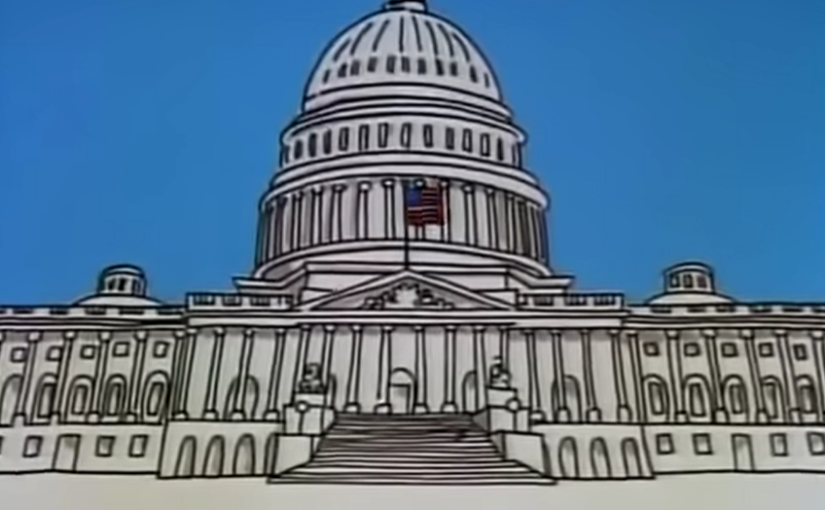
“I’m Just a Bill” is perhaps the most famous segment from the Schoolhouse Rock! series. It debuted on March 27, 1976—exactly 50 years ago today—as part of the “America Rock” season, timed to coincide with the U.S. Bicentennial.

Gotham Birdman’s Origin Story

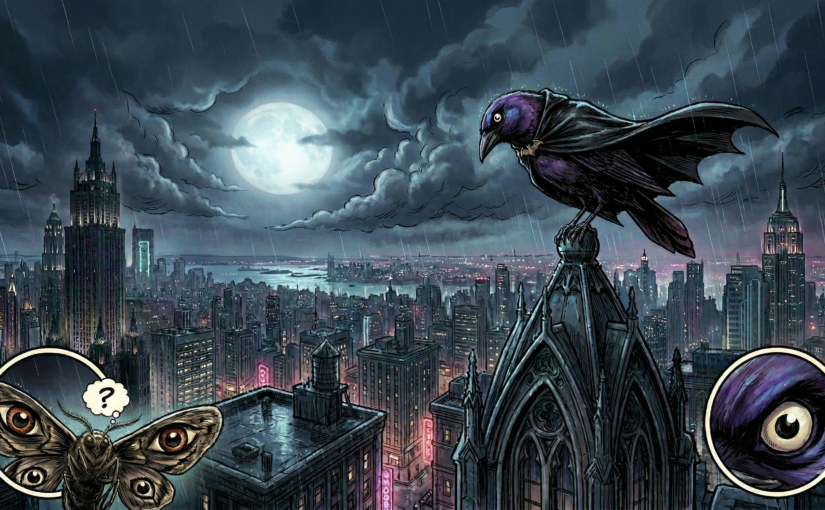
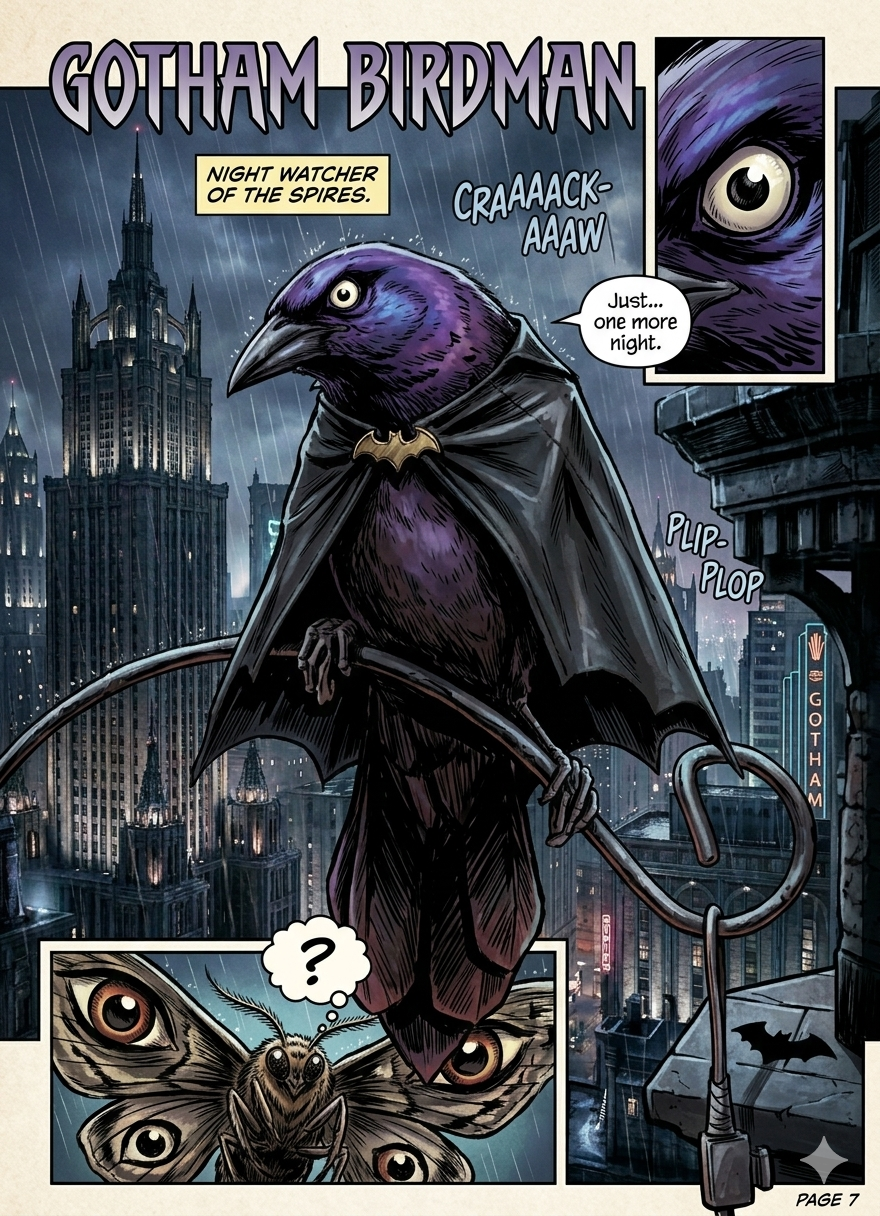
Before he became the caped crusader of the skies, he was just Pip, a highly intelligent and curious common grackle. While his flock was content raiding dumpsters, Pip was obsessed with the shining Gotham towers, often spending his nights perched near windows, watching the humans below.

His life changed during a severe lightning storm. While seeking refuge on an old antenna on a Wayne Tech building, a freak power surge coursed through the spire at the exact moment a bolt struck. Critically injured, Pip didn’t die; instead, his DNA fused with advanced nanite technology housed within the transmitter, granting him heightened intelligence, a near-human lifespan, and an unusual purple sheen on his feathers.

As he recovered, he witnessed a tragedy from his high vantage point: a human was being mugged in an alley below, but the legendary Batman was across the city. Pip realized that the Dark Knight couldn’t be everywhere, and the “creatures of the night” needed a watcher who actually lived in the spires. He repurposed a heavy bat-themed clasp he found on a penthouse balcony and stitched a cape from scraps of durable, waterproof canvas, adopting the bat silhouette as a sign of respect and a promise of justice for the skyline.

His first true test came on this night. Having spotted a strange infestation of genetically modified “Ocular Moths” infiltrating a server room through a ventilation shaft, he knew he couldn’t stop and rest. Not yet.

“Just… one more night,” he rasped, his newly gifted voice a mirror of the wind. With that, the Gotham Birdman was born, the steadfast guardian against threats that were too small, too high, or too swift for anyone else to see.

Mourning Moods

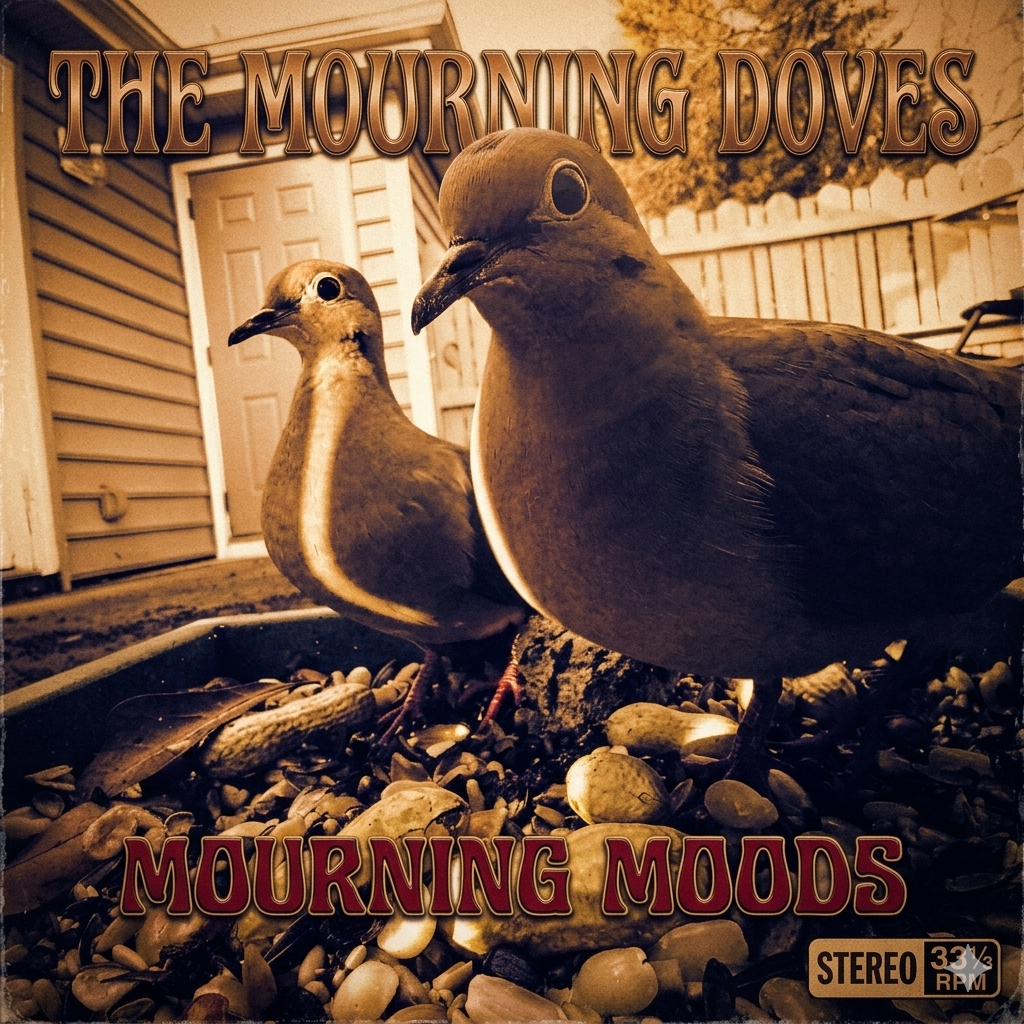
This is the best selling album from the Mourning Doves.

It features the runaway number one hit “Peanuts in the Rain.”

It’s that classic 1970s soft-rock anthem—heavy on the melancholic flute solo, with a chorus that everyone hums while staring out a window. It spent six weeks at the top of the charts because it perfectly captured that “waiting for the bird feeder to be refilled” existential dread.

Other fan favorites from the B-side include:
“Cooing at the Moon” – A psychedelic power ballad.
“No Mustard, No Onions (Just Seeds)” – A surprisingly upbeat track about being picky at the feeder.
“The Suburban Fence Line” – A 7-minute progressive folk odyssey.

Chuck Norris loses a fight

BREAKING: Chuck Norris has finally lost a fight. The actor and martial artist, known for his role as Walker, Texas Ranger, has died after a sudden hospitalisation. The Hollywood star was 86 years old. Full story

The Day the Jingle Died

Why Ads Don’t Hum Like They Used To

If I say the words, “I wish I were…” your brain almost certainly finishes the sentence.

For decades, TV and radio were defined by the “earworm” jingle—those meticulously crafted, sometimes corny, and absolutely unforgettable tunes that turned a 30-second commercial into a pop culture event. These weren’t just background noise; they were songs about hot dogs and soda that people actually hummed.

So, whatever happened to them? The shift from “earworm” jingles to modern “vibe-setting” audio is a quiet revolution in advertising, driven by a few key changes.

The Nostalgia Trip: What We’re Missing

Take a moment to step back into the era of big tunes. These are the melodies that define twentieth-century marketing logic:

  • Coca-Cola (1971): “I’d like to buy the world a Coke…” It wasn’t just a jingle; it was a Top 40 hit that captured an entire mood of 1970s idealism.
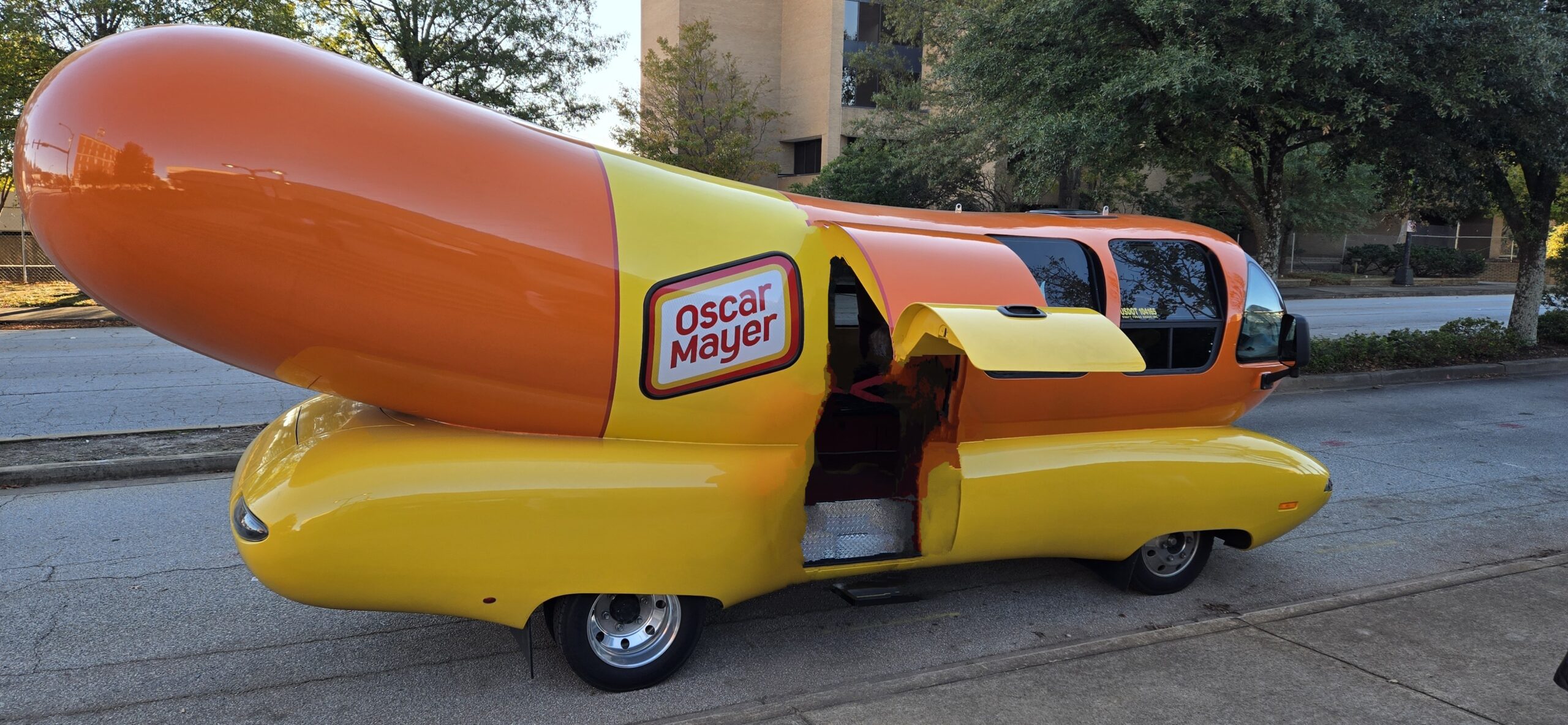
  • Oscar Mayer: The one-two punch of “Oh, I wish I were an Oscar Mayer Wiener” and the latter “My bologna has a first name…” (which taught a whole generation to spell B-O-L-O-G-N-A).
  • Folgers (1984): “The best part of waking up…” The gentle guitar and soft harmony are inseparable from early mornings and a brewing pot.
  • Band-Aid (1975): “I am stuck on Band-Aid brand ’cause Band-Aid’s stuck on me.” Simple, effective, and a lyrical loop.

Why did they fade away?

Several factors killed the golden age of jingles:

  • The Power of License: Brands found that instead of hiring a writer for a new song, they could pay to use a trendy pop hit (e.g., Billie Eilish for a car commercial). This offered an instant “cool” factor that a customized wiener song couldn’t provide.
  • Attention Span Shortening: The classic Coke spot was a 60-second experience. Modern ads—especially on YouTube (5-second “unskippable”) or TikTok (short bursts)—have no room for a verse-chorus structure.
  • Audio Branding Over Jingles: Today’s ads prefer the audio mnemonic. Think the Netflix “ta-dum,” the Intel bong, or McDonald’s “ba-da-ba-ba-ba.” These are ultra-short, punchy, and work across global markets without needing translation.

While we might miss the catchy tunes, our brains are probably a little quieter without fifty different choruses competing for headspace. But that doesn’t stop us from smiling when we remember “I’d like to buy the world a Coke…”

Vecna at the Olympics

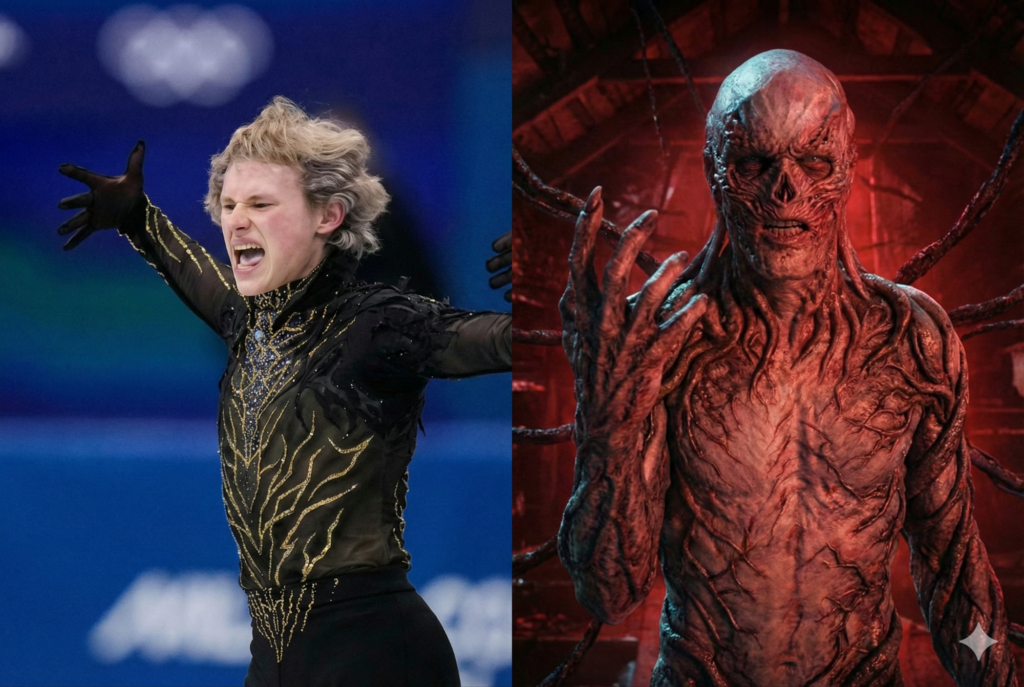
At the previous Olympic games, people compared Tara Lapinski and Johnny Weir with Caesar Flickerman and Claudius Templesmith. This year, we have Ilia Malinin ⛸️ compared with Vecna from Stranger Things.

A Moment of Pure Magic

The Pegasus Effect in This Year’s Budweiser Super Bowl Commercial

Budweiser has long been known for its emotionally resonant and beautifully crafted Super Bowl commercials, often featuring its iconic Clydesdales and heartwarming stories. This year, they truly outdid themselves with a moment of pure cinematic magic: the “Pegasus” sequence.

Lincoln spreads his wings

This stunning image captures the exact second that Lincoln, the majestic Bald Eagle, takes flight from the back of a powerful Clydesdale. As the eagle’s massive wings unfold and the sun catches the gold and bronze of its feathers, it creates an illusion so striking that the horse itself appears to sprout magnificent wings of its own.

The interplay of light is critical to this scene’s impact. The brilliant sun flare behind the horse, creating a halo effect, not only highlights the eagle’s ascent but also bathes the entire scene in a warm, triumphant light. The motion blur in the foreground effectively conveys the power and energy of the eagle’s lift-off, adding a sense of dynamic realism to this breathtaking, almost mythical composition.

This “Pegasus” moment perfectly embodies the themes of hope, resilience, and the power of unlikely friendships that have become synonymous with Budweiser’s best work. It’s a testament to the brand’s ability to create truly memorable and visually spectacular moments that stay with us long after the final whistle has blown.