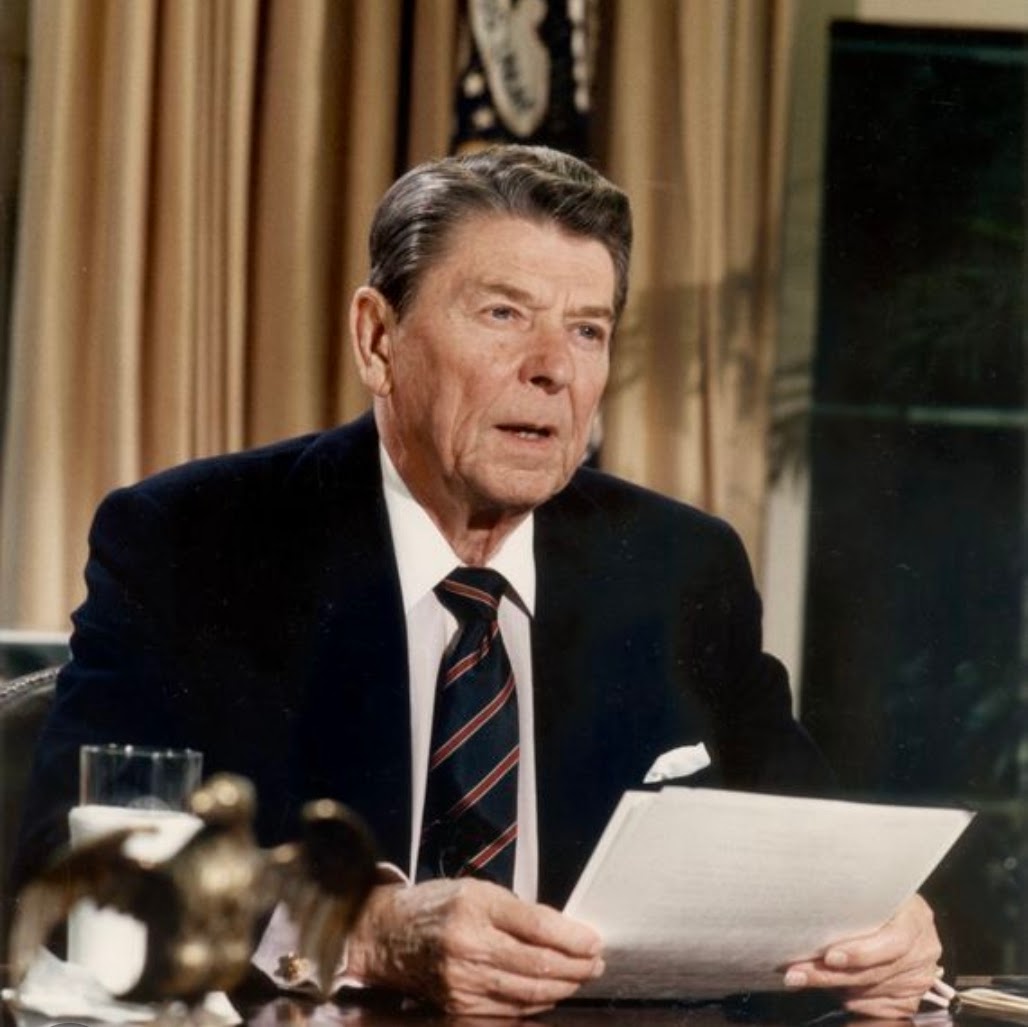
Donald Trump’s political presence has elicited a more intense reaction from opponents than Ronald Reagan’s presidency. Critics often oppose his actions before policy discussions occur, viewing his influence as a threat to democratic norms despite the existing constitutional framework of the American republic.
Trump’s ability to bypass traditional media gatekeepers through social media and alternative platforms has disrupted the established political ecosystem. This loss of influence by long-standing institutions has fueled ongoing conflicts over who controls the national narrative and defines political reality.
You could almost picture this conversation happening.
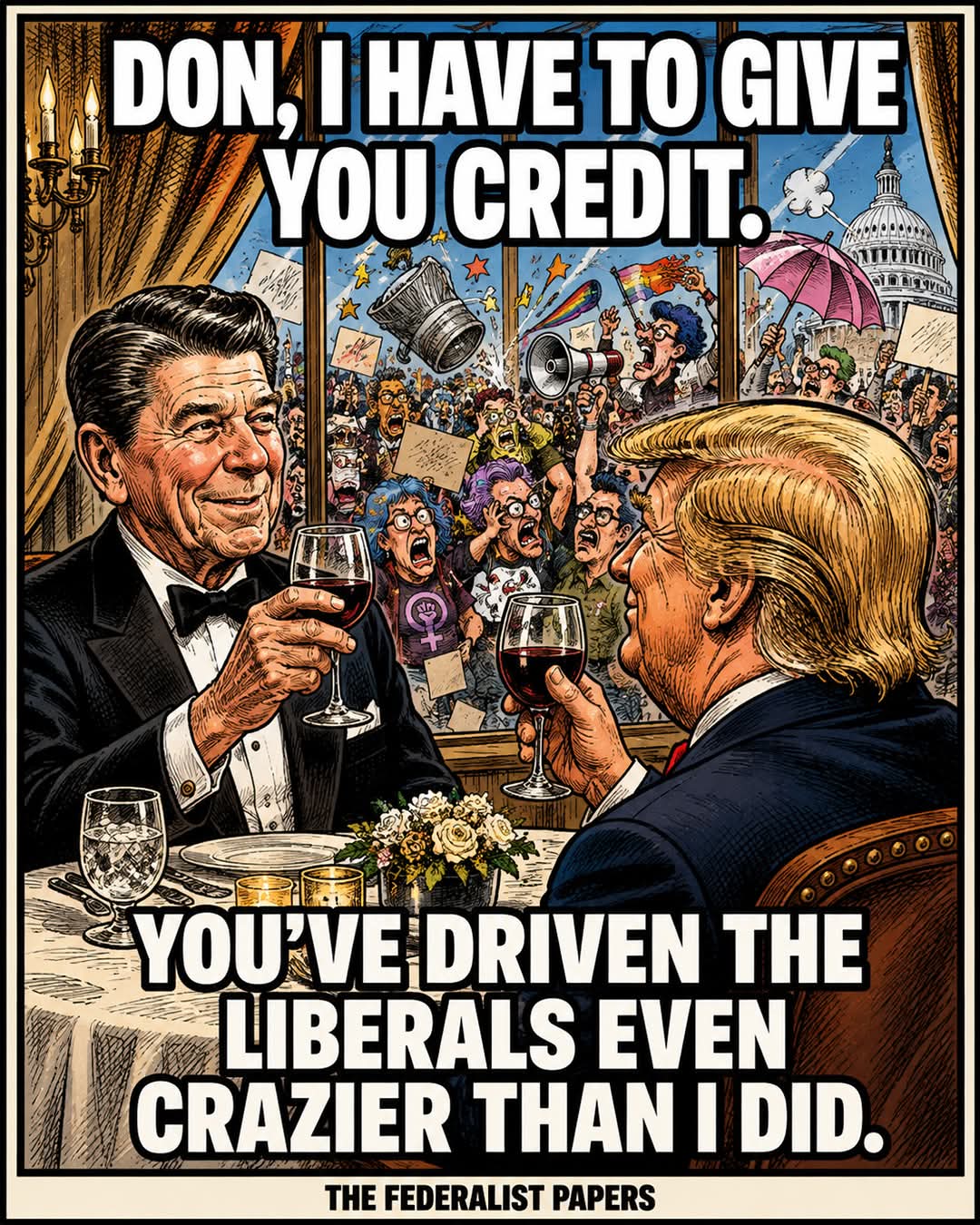
Ronald Reagan spent decades living rent free in the heads of the American left. He cut taxes, confronted the Soviet Union, talked unapologetically about American greatness, and drove his political opponents crazy.
But Trump? Reagan does not even come close.
The reaction to Trump has become something entirely different. At this point, Trump could announce something many Democrats supported ten years ago and a portion of the left would immediately start looking for reasons it represents the end of democracy.
That is why the term Trump Derangement Syndrome stuck. It is partisan shorthand, obviously, but sometimes the reaction really does seem to come first and the policy discussion second.
Look at the “No Kings” protests. The protesters say the slogan is about resisting what they see as excessive presidential power, not literally claiming America has a king. Fair enough.
But America remains a constitutional republic. We have elections, Congress, federal courts, state governments, constitutional limits and a president who eventually leaves office. Nobody is being fitted for a crown.
That is what makes some of the rhetoric so over-the-top.
I also think something deeper is happening. Trump disrupted an establishment that had become very comfortable deciding which ideas were respectable, which stories mattered and which voices deserved to be heard. Social media shattered much of that control, alternative media grew, and Trump learned better than almost any politician how to go directly around the traditional gatekeepers.
For people who spent decades controlling the political conversation, that loss of influence has to be maddening.
And now every investigation, document release and government fight becomes another battle over who gets to define reality.
Reagan irritated the left because he challenged its policies.
Trump enrages much of the left because he challenges the entire political and media ecosystem surrounding those policies.