Back Online

Breaking Down Yesterday’s Massive Verizon Outage

If you found yourself staring at a dreaded “SOS” icon on your phone or frantically toggling airplane mode yesterday, you certainly weren’t alone. Wednesday, January 14, 2026, turned into a digital blackout for millions of Americans as Verizon suffered one of its most significant network disruptions in recent memory. Now that the dust has settled and the signal bars have returned, here is a look at exactly what happened, why it happened, and what the carrier is doing to make it right.

The Timeline of the Blackout

The trouble began right around lunchtime, specifically 12:30 PM ET. Reports immediately flooded in from across the country, with the outage hitting major population centers on the Eastern Seaboard and the Midwest particularly hard. At the height of the disruption, outage tracking sites logged over 1.5 million complaints. For roughly 10 hours, subscribers were cut off from data and voice services, leaving devices stuck in “SOS mode”—meaning they could function only to call 911 via other available carrier networks.

The Culprit: Glitch, Not Attack

Naturally, when a network of this magnitude goes dark, fears of foul play or security breaches arise. However, Verizon has explicitly stated that there was no indication of a cyberattack. The company identified the root cause as a widespread software issue within their network systems. Ultimately, it was an internal technical failure rather than an external threat that brought the network to a standstill.

Resolution and Getting Back Online

Engineering teams worked throughout the afternoon and evening to patch the software fault. Verizon officially declared the issue resolved at 10:15 PM ET last night. By late evening, the vast majority of devices had reconnected. For anyone still experiencing lingering connectivity issues today, the carrier advises a simple restart of your device. Powering your phone off and back on should force it to re-establish a fresh connection with the nearest cell towers.

Compensation for the Trouble

In response to the frustration caused by the day-long silence, Verizon has announced it is offering a $20 account credit to affected customers. The company noted that this amount is intended to cover multiple days of service. While consumer accounts are being handled largely through this flat credit, Verizon has stated that business customers will be contacted directly regarding compensation for their specific accounts.

It was a frustrating Wednesday for millions, but operations have returned to normal. Hopefully, the $20 credit will help smooth over the inconvenience of a day spent offline.

The Dark Side of Generative AI for Photography and Art

Generative AI is a technology that can create realistic photos and art from text prompts or other inputs. It sounds like a fun and exciting way to unleash your creativity, but it also has some serious ethical and legal implications that you should be aware of.

One of the main problems with generative AI is that it relies on large datasets of existing images and text to learn from and produce new content. This means that it may use copyrighted or trademarked works without the permission or compensation of the original artists or owners¹. It may also create images that are too similar or derivative of existing works, violating the rights of the creators and devaluing their work.

Another issue with generative AI is that it blurs the definition and value of art. Art is supposed to be a human expression of creativity, emotion, and skill, but generative AI can produce images that are indistinguishable from human-made ones, or even surpass them in quality and speed⁴. This raises questions about the authenticity, originality, and meaning of art, as well as the role and responsibility of the artist³.

Generative AI also poses a threat to the integrity and credibility of photography and art. It can create fake or misleading images that can be used for propaganda, misinformation, or manipulation⁵. It can also erode the trust and appreciation of the audience, who may not be able to tell what is real and what is generated by an algorithm.

Generative AI is not inherently bad or evil, but it is a powerful tool that can be used for good or evil purposes. It can also have unintended consequences that may harm the artists, the industry, and the society. Therefore, it is important to be aware of the risks and challenges of using generative AI for photography and art, and to use it responsibly and ethically.

Twitter Transparency

Today would be the perfect day for Google to announce the name of Android P, if it’s going to be Pie.

from TrommTimes via IFTTT

If Alexa was Southern

Love the burlap cover, barn wood would be pretty too

from TrommTimes via IFTTT

Alexa Loses Her Voice

Is Amazon teasing us with the possibility of new voices on their devices? I’d love to have Anthony Hopkins read the news every morning.

from TrommTimes via IFTTT

Strava Secrets

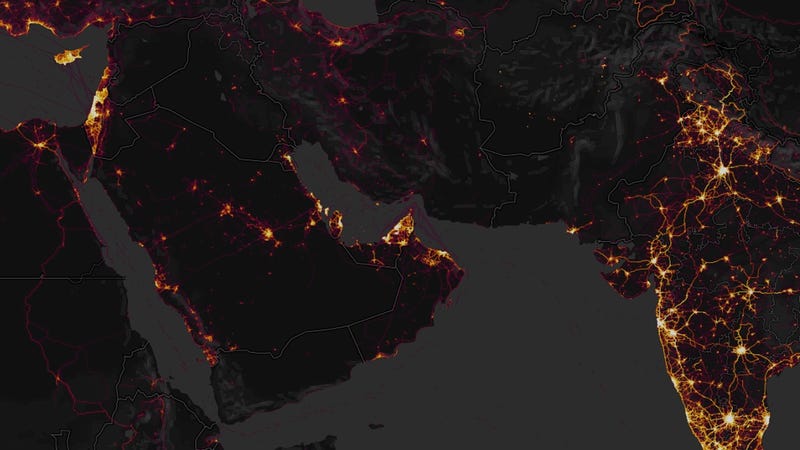
Fitness App’s ‘Anonymized’ Data Dump Accidentally Reveals Military Bases Around the World

Strava Heatmap

It’s not really the application itself that’s the problem, but how we use the privacy settings that can reveal too much.

from TrommTimes via IFTTT

Unwanted Pregnancies?

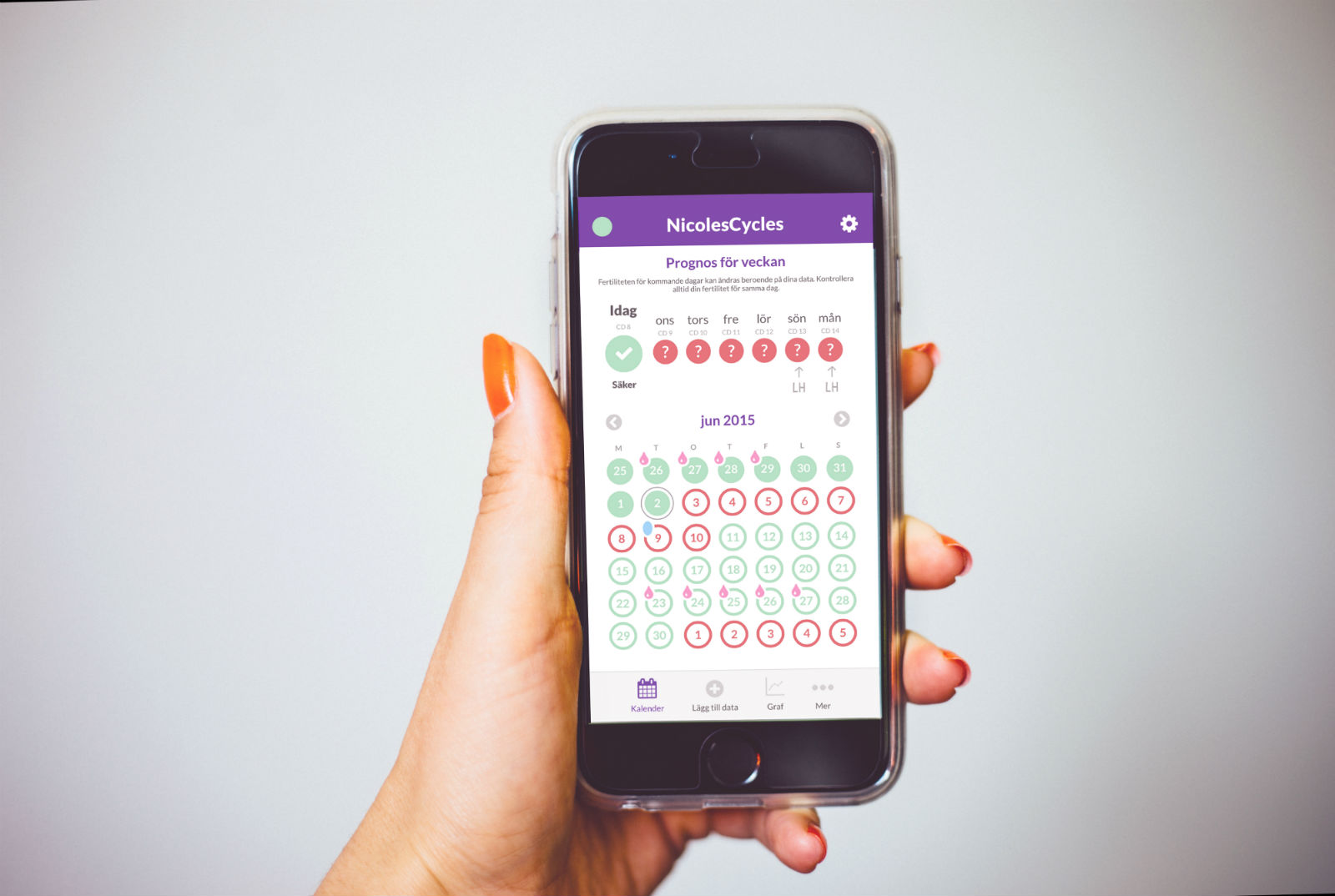
Contraceptive app under fire for causing unwanted pregnancies

Apparently there are some people who work at @engadget who don’t understand what causes pregnancy. An app can’t cause pregnancy, sex causes pregnancy. No app or other method is 100% effective.
from TrommTimes via IFTTT

Best Dilbert Comic Ever

via TrommTimes http://ift.tt/2EDnWmz