On June 12, 2026, SpaceX completed the largest IPO in history, raising ~$75 billion and soaring to a $1.77–2+ trillion valuation. More than 4,400 current and former employees—from engineers to welders and support staff—saw their equity grants turn into at least $1 million each. Roughly 400 now hold $100 million+ stakes!
This massive wealth creation highlights the power of employee ownership at one of America’s most innovative companies. While shares remain subject to lock-ups and taxes, it’s a remarkable milestone for the team building our multiplanetary future.
What an inspiring success story! 🇺🇸
Category: Science
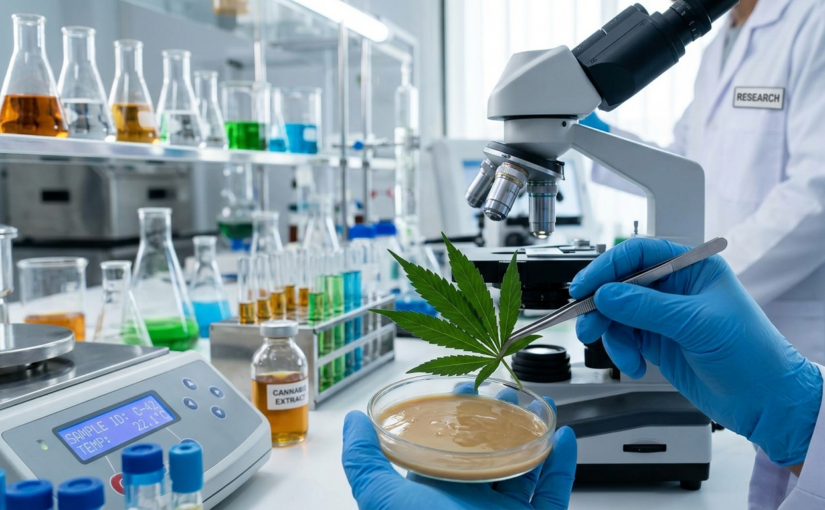
Marijuana Reclassification
Historic Shift in Drug Policy
President Trump has officially moved to reclassify medical marijuana as a less dangerous drug! This major policy change marks one of the most significant shifts in federal drug enforcement in decades.
Here are the key takeaways from the announcement:
✅ Rescheduling: Medical marijuana is being moved from Schedule I to a less restrictive category, acknowledging its medical use.
✅ State Impact: This move aims to bridge the gap between federal law and the many states that have already legalized medical cannabis.
✅ Research & Access: The reclassification is expected to open doors for more clinical research and ease banking/tax hurdles for state-licensed businesses.
Is this a move in the right direction? Let us know what you think in the comments!
#BreakingNews #MarijuanaReform #TrumpAdministration #MedicalMarijuana #PolicyChange
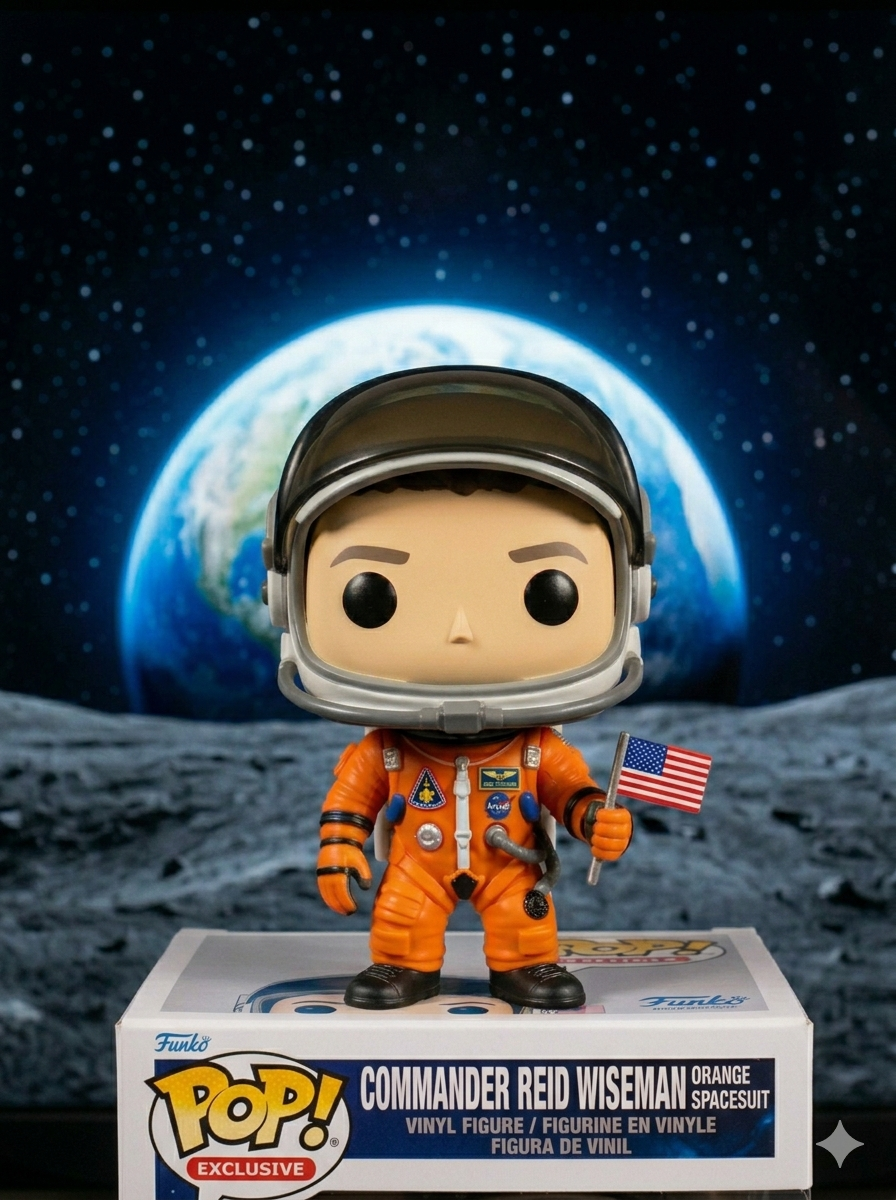
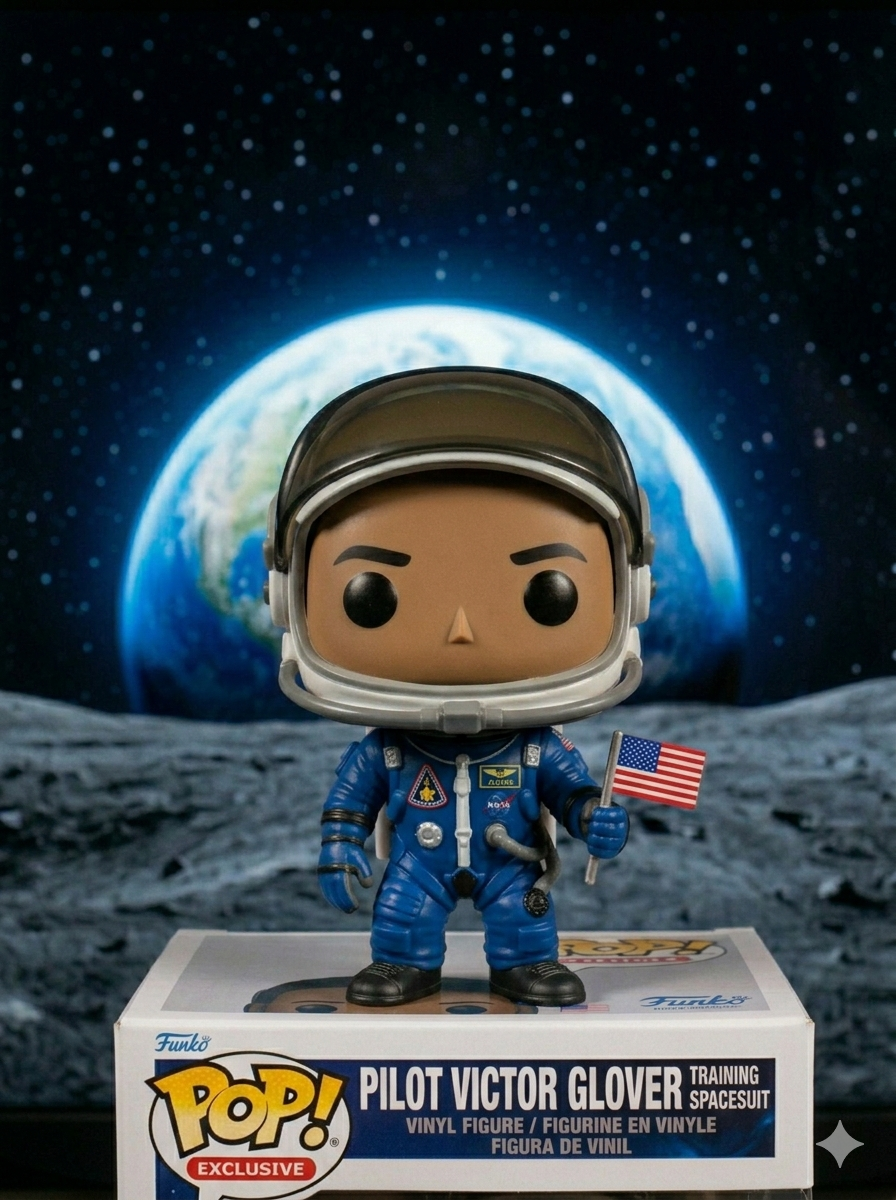
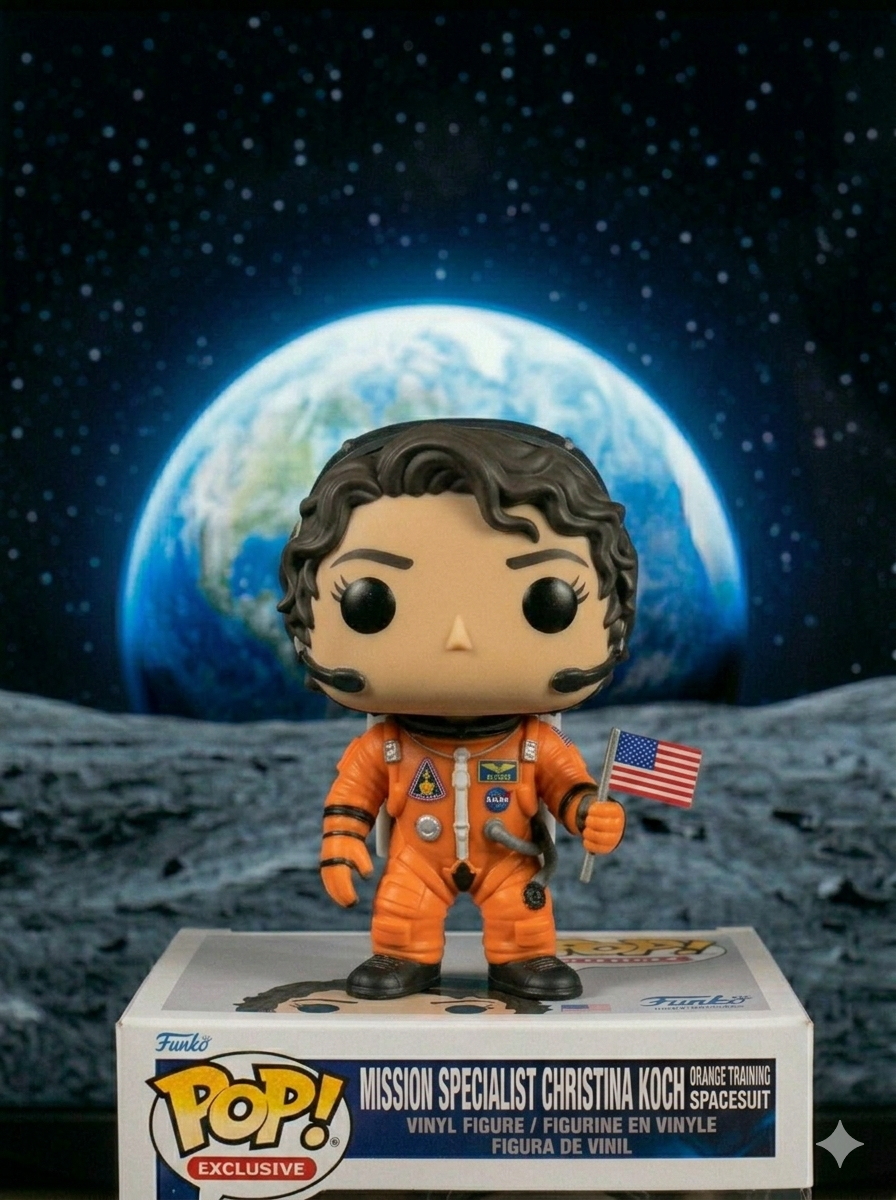
Funko Astronauts
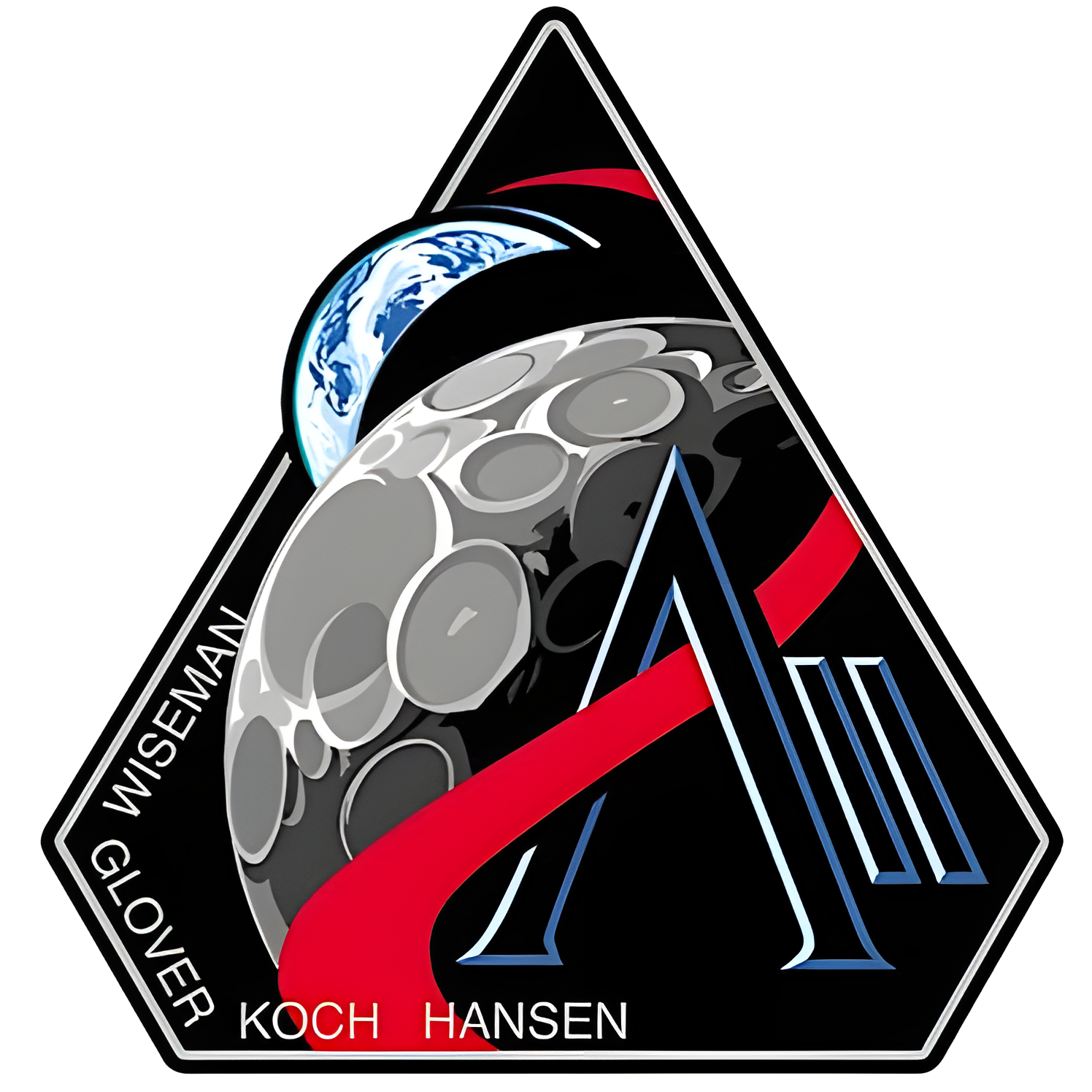
I can’t believe Funko Pop hasn’t done this yet. Individual or a box set of all 4 Artemis II astronauts.


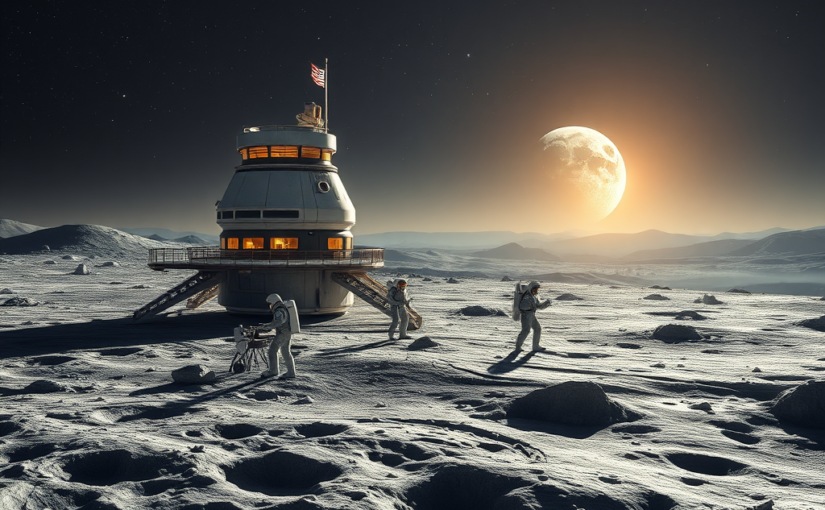
Why Returning to the Moon Matters
A Step Toward Becoming an Interplanetary Species
It’s been over 50 years since humans last walked on the Moon. That gap feels like a missed opportunity—and a wake-up call. Elon Musk has long argued that humanity must become a multiplanetary species to ensure our long-term survival. A single-planet civilization is vulnerable to existential risks: asteroid impacts, climate catastrophes, pandemics, or even self-inflicted disasters. Spreading life beyond Earth isn’t just ambitious—it’s insurance for consciousness itself.
The Moon is the smartest place to start. It’s our closest neighbor, making it far easier, cheaper, and faster to reach than Mars. Travel time is measured in days rather than months, communication delays are minimal, and rescue or resupply missions are realistic. A permanent lunar base serves as a critical proving ground for the technologies we’ll need on Mars: life support systems for long-duration stays, in-situ resource utilization (turning local materials into fuel, water, and oxygen), radiation shielding, sustainable habitats, and high-cadence reusable landings.
Musk has emphasized that while Mars is the ultimate goal for a self-sustaining civilization (thanks to its atmosphere, resources, and day length closer to Earth’s), the Moon offers a quicker path to a “self-growing” outpost—potentially in under 10 years versus 20+ for Mars. This isn’t a distraction; it’s acceleration. Recent shifts in focus highlight the Moon as a stepping stone that builds real operational experience and reduces risks for deeper space travel.
Beyond survival, a Moon base unlocks practical benefits:
Scientific discovery: Access to water ice at the poles, unique geology, and a stable platform for telescopes free from Earth’s atmosphere and radio interference.
Economic opportunity: An emerging lunar economy in mining (helium-3 for potential fusion energy, rare earth elements), commercial cargo, and infrastructure that spurs innovation and jobs back on Earth.
Inspiration and unity: Returning humans to the lunar surface—especially with diverse crews—reignites the exploratory spirit that drove Apollo and inspires the next generation of engineers and scientists.
NASA’s Artemis program and private efforts like SpaceX’s Starship are turning this vision into reality. Building a base isn’t about “flags and footprints”—it’s about learning to live and work off-world sustainably.
In short, going back to the Moon isn’t a nostalgic rerun. It’s the practical first leap toward making humanity interplanetary. As Musk puts it, the alternative to becoming multiplanetary is risking extinction on a single vulnerable world. The Moon gets us moving—faster, safer, and with momentum—toward cities on Mars and a future among the stars.
The high-water mark of our civilization shouldn’t be stuck in 1972. It’s time to go back, stay, and build. The universe is waiting.

Godspeed Artemis II
You carry our dreams and our curiosity back to the lunar far side. Wishing you a flawless mission and a safe return to the blue marble.
The Day the Classrooms Went Silent
Remembering Challenger 40 Years Later
The sky over Cape Canaveral was a piercing, deceptive blue forty years ago today. It was the kind of sky that invites you to look up, to dream, and to believe that the limits of our world are just temporary suggestions.
For most of the world, January 28, 1986, is a date frozen in history books. I was already in college but one of my high school teachers was Walt Tremer. He was one of the ten finalists for Teacher in Space. He could have been on that space craft.
Today marks the 40th anniversary of the Space Shuttle Challenger disaster. While the nation mourns the seven heroes who slipped the surly bonds of Earth to “touch the face of God.”
The Teacher Who Dared to Fly
In 1985, NASA announced the Teacher in Space program. The goal was simple but revolutionary: send an educator into orbit to communicate with students from the ultimate classroom. It wasn’t just about science; it was about democratizing the stars.
Mr. Tremer wasn’t just a name on a list; he was a force of nature in our school in Pennsylvania. When the announcement came that he was a finalist—chosen as one of the elite educators from thousands of applicants—the energy was electric. We weren’t just watching NASA; we were watching him. He went through the screenings, the interviews, and the rigorous selection process that narrowed the field down to the very best.
He often spoke about the “Teacher in Space” program with a mix of awe and determination. He made us feel like our small corner of the world was connected to the launchpad in Florida.
73 Seconds That Changed Everything
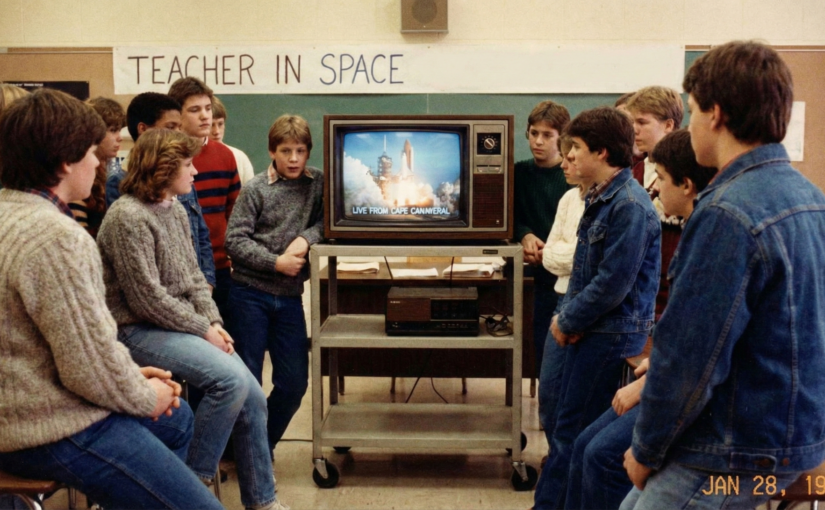
On the morning of the launch, the air was unusually cold in Florida, famously freezing the O-rings that would seal the shuttle’s fate. In classrooms across America, televisions were rolled in on A/V carts. Students watched Christa McAuliffe, the woman who ultimately won the seat, wave to the cameras. She was the “everyteacher.”
And then, 73 seconds into the flight, the cheers turned to confusion, and then to a silence so heavy it felt like it had physical weight.
The announcement came: “Flight controllers here looking very carefully at the situation. Obviously a major malfunction.”
The “What If”
For the families of the Challenger 7—Dick Scobee, Michael Smith, Ronald McNair, Ellison Onizuka, Judith Resnik, Gregory Jarvis, and Christa McAuliffe—the loss was absolute.
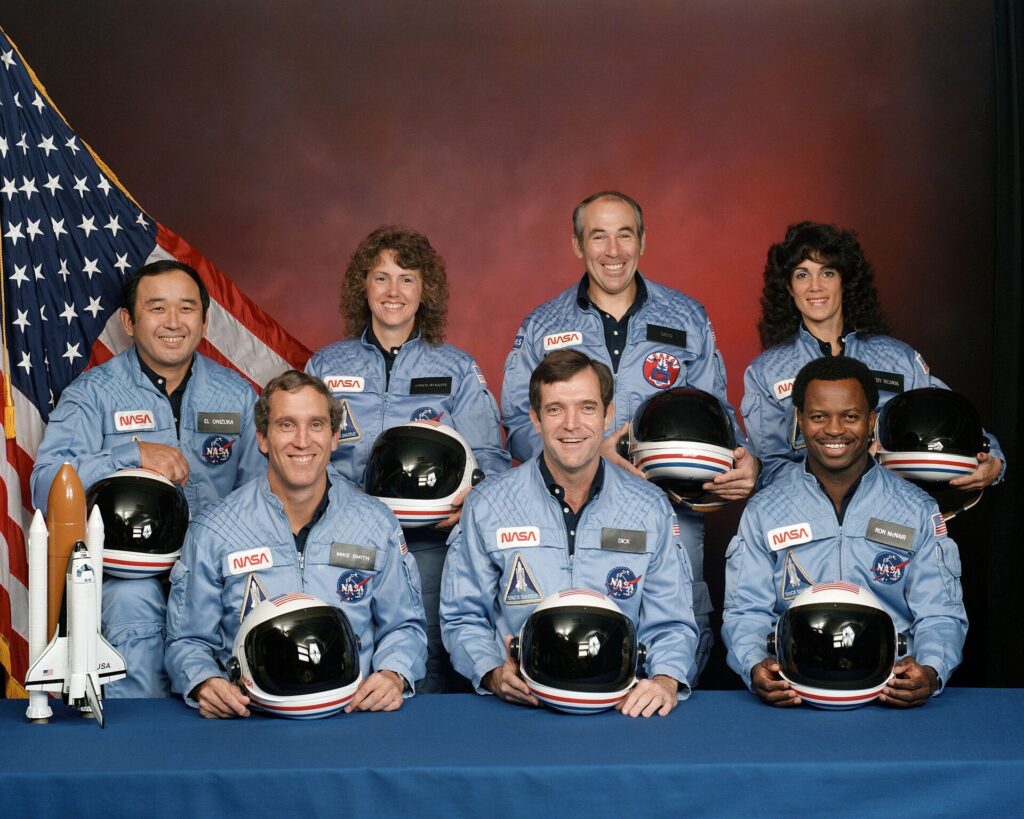
For my teacher, Walt Tremer, and for us, his students, the grief was complicated by a chilling realization: It could have been him.
Walt Tremer later described the experience in interviews as being “a phone call away” from that seat. He watched the tragedy unfold with a divided heart—devastated by the loss of his colleagues, yet keenly aware of the twist of fate that kept his feet on the ground.
That kind of “survivor’s proximity” changes a person. It changed how he taught, and it certainly changed how his students learned. We realized that exploration isn’t free. We learned that the people who push boundaries—whether they are astronauts or the math teacher down the hall—are risking everything to expand human knowledge.
40 Years of Legacy
Four decades later, the scar on the American psyche has healed, but the mark remains. The Challenger Centers for Space Science Education were born from that tragedy, continuing the educational mission that Christa McAuliffe started.
As we mark this 40th anniversary, I honor the seven who were lost. But I also honor the teachers like Walt Tremer who raised their hands. They reminded a generation of students that teaching is the most optimistic profession in the world—because it’s always about the future.
We are still looking up, Mr. Tremer. We are still looking up.


Solar Eclipse Panic
Remember how, during previous solar eclipses, there were internet and cell phone outages, food shortages, and traffic jams?
Yeah – I don’t either…
We had a total eclipse in #yeahThatGreenville in August of 2017. Hotels and airplane flights were booked to capacity, but no one panicked.
Partial Solar Eclipse
Greenvillians can view a partial solar eclipse on April 8th, 2024. It begins at 1:50 pm, the maximum is at 3:09 pm, and it ends at 4:24 pm. Remember to wear eclipse-viewing glasses to avoid damaging your eyes!


No Substitute for Human Blood
I find it amazing! With all the technology we have at our disposal, there is no such thing as artificial blood. Doctors can do amazing things: build artificial hearts, transplant organs, re-attach fingers and toes. But there is still no such thing as a human blood substitute. Donate today.
God has created the human body in such a fantastic way. If one little thing goes wrong in your body and you can’t make a specific protein or enzyme, your blood won’t clot properly. The placenta creates a barrier that protects a mother from her baby’s blood, but allows nourishment to be passed to the growing human. It all points to the Creator and his intelligent design.