The American Goldfinch’s Molting Cycle
Have you ever noticed a complete change in the birds visiting your feeder as the seasons shift? In South Carolina, one of the most striking examples is the transformation of the American Goldfinch. Seeing these birds go from their muted winter appearance to their brilliant summer colors is a true sign of spring’s arrival. Let’s take a closer look at this remarkable natural cycle.
Winter: The Practical Coat
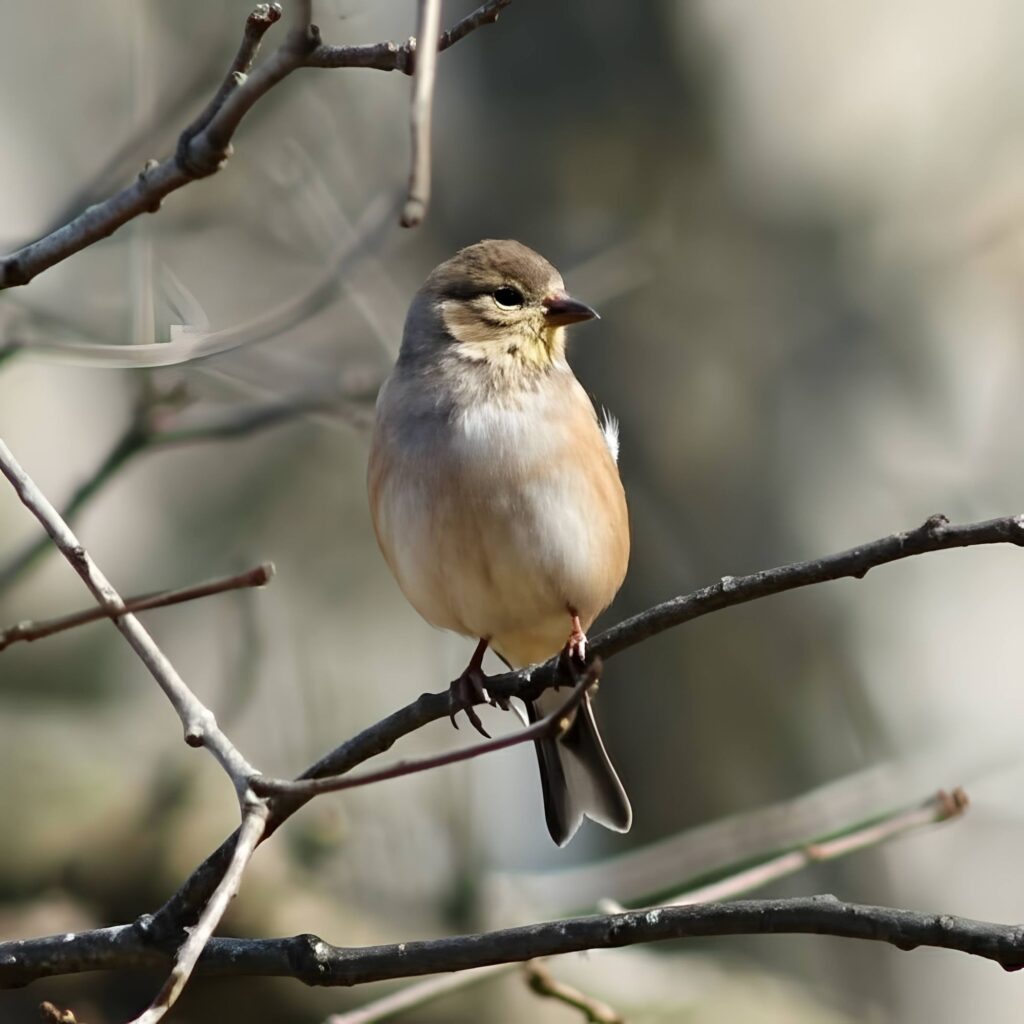
During the colder months, American Goldfinches, like the one pictured here, trade their flashiness for function. A male in winter plumage is far less vibrant. Their overall color is much softer and more muted—think buff-brown or light olive. You’ll often see them with soft browns on their upper bodies and heads, subtle yellows around their face, and perhaps only faint, brownish wingbars. They don’t have the distinctive black cap seen in the summer.
This transitional look, with subtle yellows and muted tones, is the classic “winter coat” of the Goldfinch. It serves two main purposes:
- Energy Conservation: Molting and growing new feathers requires a massive amount of energy. By forgoing bright, complex colors in the winter, the bird can focus on survival.
- Camouflage: The brownish-olive colors blend much better with the drab, leafless environment of winter, offering better protection from predators when food sources are scarce.
The Great Transformation: Spring Molt
This drab winter appearance makes their spring transformation even more spectacular! As the days grow longer and temperatures rise, male Goldfinches begin a process called a pre-nuptial molt.
This is where the magic really happens, a complete overhaul from their winter coat. The simple browns and muted yellows are shed, feather by feather, and replaced by the iconic, brilliant “wild canary” look. This is when the striking black cap and deep black wings appear, creating a breathtaking contrast that signals they are ready for the breeding season.
Interestingly, while males undergo this dramatic shift, females also molt, but their plumage remains much more understated. It is only the males that display such a radical color change.
Summer: The Breeding Uniform
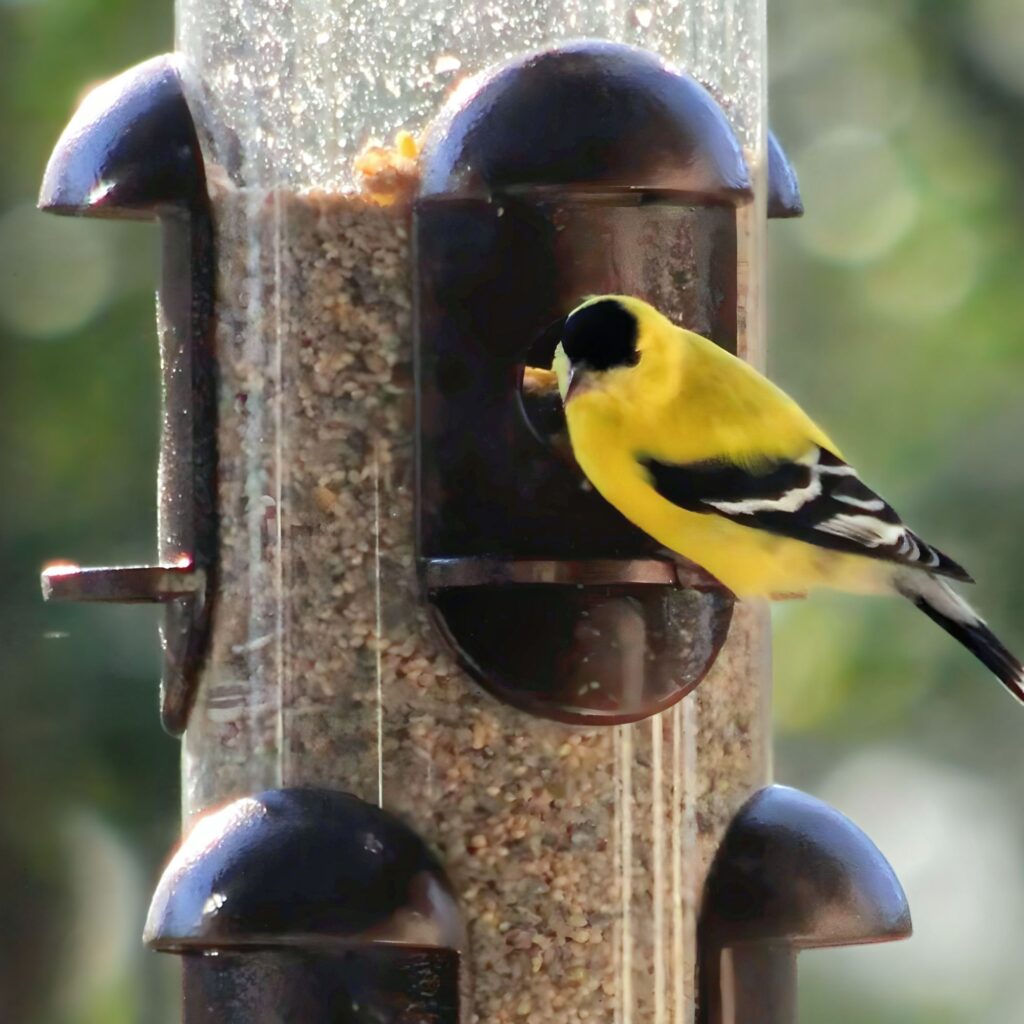
The result of this molt is what many birdwatchers eagerly await. The male is now a brilliant, vibrant lemon yellow. His black forehead cap is distinct, and his wings are a bold black with crisp white wingbars. The female also molts but retains more subdued olive-brown tones, perfect for camouflage while nesting.
You’ll see these vibrant colors as common highlights during your nature walks in local spots like the Anne Springs Close Greenway or Conestee Nature Preserve. This bright uniform is all about attracting a mate for the upcoming breeding season, which for Goldfinches is famous for being some of the latest breeders, often waiting until July or August to align with the peak availability of thistle and milkweed seeds.
And Back Again: The Cycle Continues
Once the breeding season is over and their young have fledged, the cycle completes its turn. In late summer or early fall, both males and females will undergo another molt—this time, a post-nuptial molt. This process is a complete molt, replacing every single feather, back to the practical, energy-saving drab brown of their winter plumage.
The dazzling summer gold fades away, only to return with the promise of the next spring. It’s a beautiful, endless cycle that we are lucky enough to observe right in our own backyards and local parks.
