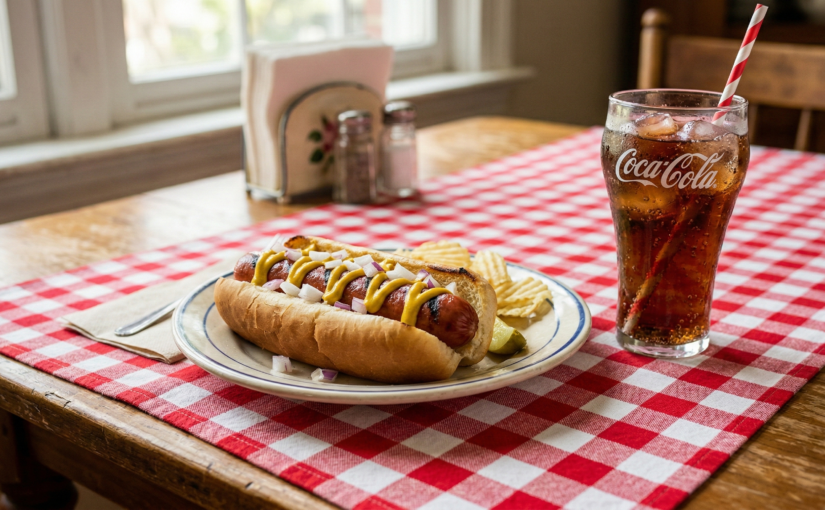
Okay, fellow 70s and 80s survivors, this one is for you. Looking at this vintage photo of a perfect kitchen setting, I had a sudden flashback. Who knows exactly what was kept in this iconic harvest orange pitcher, sitting on that classic table? If you saw this pitcher, you already know the potential answers. 🧡
A classic Tupperware pitcher
Let me know what your mom (or grandma) always had ready to pour. I’m guessing two very specific, colorful, and very powdered answers. 🥤 Comment below and let’s go on a trip down memory lane!
If I say the words, “I wish I were…” your brain almost certainly finishes the sentence.
For decades, TV and radio were defined by the “earworm” jingle—those meticulously crafted, sometimes corny, and absolutely unforgettable tunes that turned a 30-second commercial into a pop culture event. These weren’t just background noise; they were songs about hot dogs and soda that people actually hummed.
So, whatever happened to them? The shift from “earworm” jingles to modern “vibe-setting” audio is a quiet revolution in advertising, driven by a few key changes.
The Nostalgia Trip: What We’re Missing
Take a moment to step back into the era of big tunes. These are the melodies that define twentieth-century marketing logic:
Coca-Cola (1971): “I’d like to buy the world a Coke…” It wasn’t just a jingle; it was a Top 40 hit that captured an entire mood of 1970s idealism.
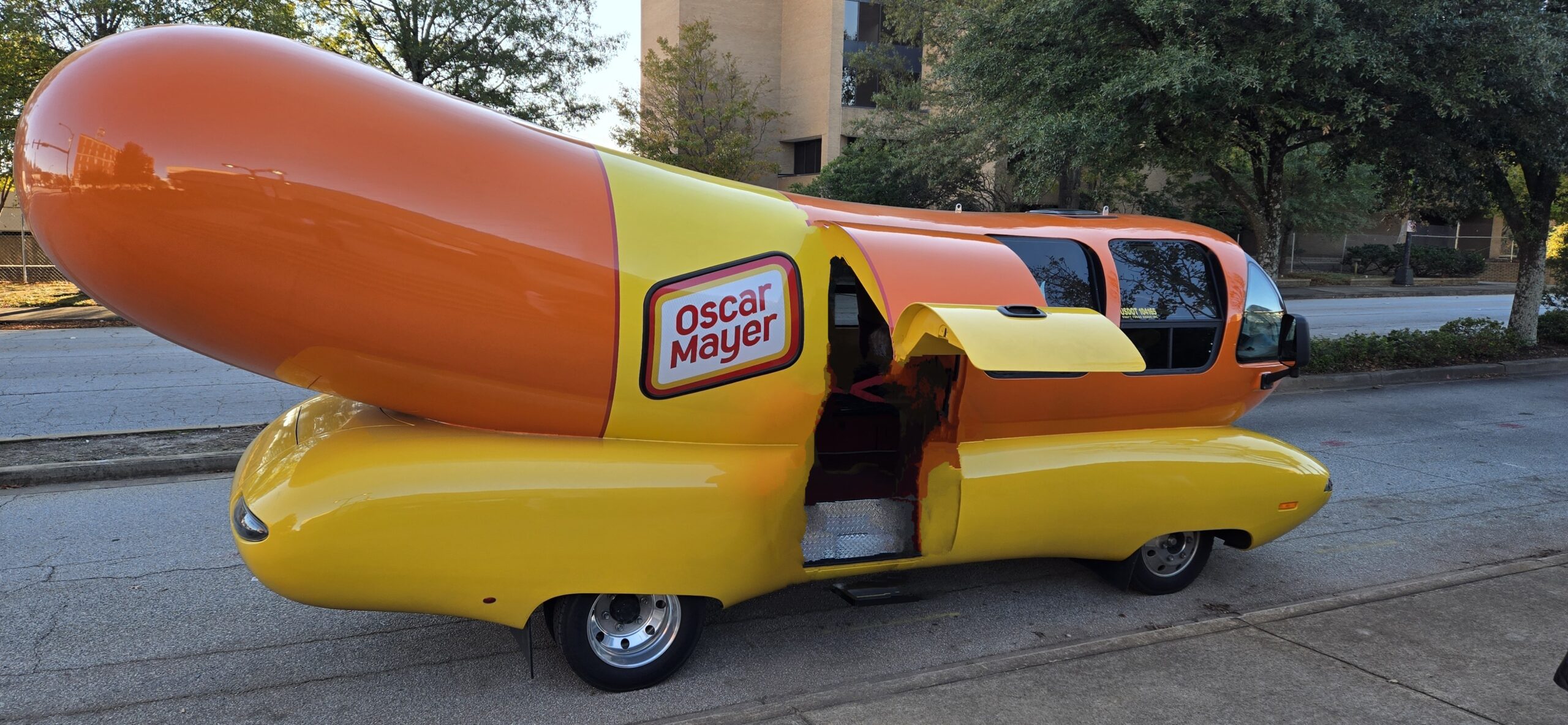
Oscar Mayer: The one-two punch of “Oh, I wish I were an Oscar Mayer Wiener” and the latter “My bologna has a first name…” (which taught a whole generation to spell B-O-L-O-G-N-A).
Folgers (1984): “The best part of waking up…” The gentle guitar and soft harmony are inseparable from early mornings and a brewing pot.
Band-Aid (1975): “I am stuck on Band-Aid brand ’cause Band-Aid’s stuck on me.” Simple, effective, and a lyrical loop.
Why did they fade away?
Several factors killed the golden age of jingles:
The Power of License: Brands found that instead of hiring a writer for a new song, they could pay to use a trendy pop hit (e.g., Billie Eilish for a car commercial). This offered an instant “cool” factor that a customized wiener song couldn’t provide.
Attention Span Shortening: The classic Coke spot was a 60-second experience. Modern ads—especially on YouTube (5-second “unskippable”) or TikTok (short bursts)—have no room for a verse-chorus structure.
Audio Branding Over Jingles: Today’s ads prefer the audio mnemonic. Think the Netflix “ta-dum,” the Intel bong, or McDonald’s “ba-da-ba-ba-ba.” These are ultra-short, punchy, and work across global markets without needing translation.
While we might miss the catchy tunes, our brains are probably a little quieter without fifty different choruses competing for headspace. But that doesn’t stop us from smiling when we remember “I’d like to buy the world a Coke…”