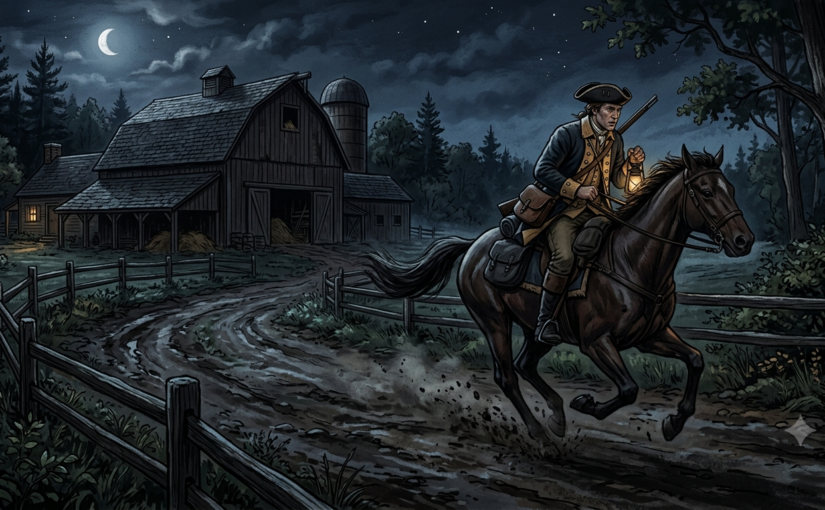
As a software engineer, it’s impossible not to see the structural parallels between this 18th-century network and modern packet routing. In computing, we break data into packets and route them across a decentralized mesh of servers. If one router goes offline, the network automatically self-heals, finding a parallel path to deliver the payload. Franklin designed the colonial post roads with this exact fault tolerance in mind. If an express rider on the primary coastal highway ran into a British patrol, the network didn’t crash. The payload was automatically rerouted down parallel, inland backcountry trails. The network latency was high—measured in weeks rather than milliseconds—but the architecture was fundamentally resilient.
For those of us living in the Carolina Upcountry, the latency was particularly real. It took nearly three weeks for the midnight packet protocol to route the data down to the Carolinas successfully. When a weary rider finally crossed the trading paths near Charlotte and the settlements around what is now Rock Hill, the document was delivered to local magistrates. Because many backcountry farmers were illiterate, the text was read aloud at dusty crossroads and church steps. Hearing those words transformed local, isolated skirmishes against British overreach into a unified, national struggle.
If you want to capture the soul of this journey through a camera lens, look for the quiet infrastructure that remains. Head out to any surviving colonial milestone markers or historic post roads during the golden hour. A great shot is the contrast of an ancient, weathered oak tree standing at an old rural crossroads—the long shadows of the evening highlighting the exact spaces where our ancestors stood, waiting in the dark for a lone rider to bring them the code of a new republic.
This post is part of our ongoing series commemorating the 250th anniversary of the founding of the United States. Explore more entries and historical reflections in the America 250 Collection.
Leave a Reply